 A Rooftop Power Company

Home / Furnace Repair
Furnace Repair
Furnace Repair for Rhode Island Homes
Blowing cold air, clicking and shutting off, or banging when it starts. Most furnace problems have a specific cause that can be found and fixed.
Symptoms
Signs Your Furnace Needs Repair
A furnace usually gives warning before it quits. These are the ones worth a call.
- It runs but the air coming out is cool or lukewarm
- It turns on, runs a few minutes and shuts off again (short cycling)
- It tries to start, clicks, and nothing lights
- Banging, squealing or rattling from the cabinet or the ducts
- Some rooms stay cold while the furnace runs all evening
- The heating bill climbs with no change in how you use the house
Diagnosis
What a Diagnostic Visit Covers
The goal is to find the cause, not to guess at parts.
Start-Up and Ignition
We watch a full heating cycle: thermostat call, inducer motor, igniter or pilot, flame and blower. A dirty flame sensor or a weak igniter is a common reason a furnace lights and then shuts off.
Airflow
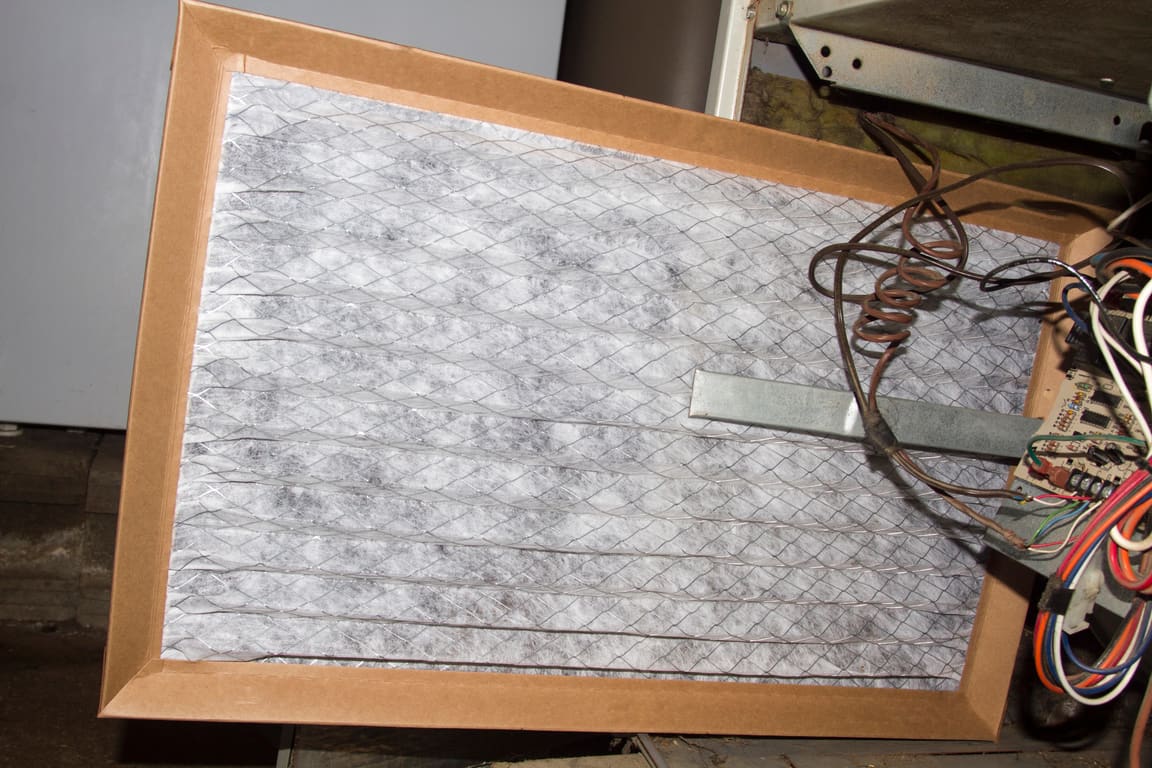
A clogged filter, a blocked return or a failing blower motor can make the furnace overheat and trip its limit switch. We check the filter, the blower and the temperature rise across the unit.
Venting and Drainage
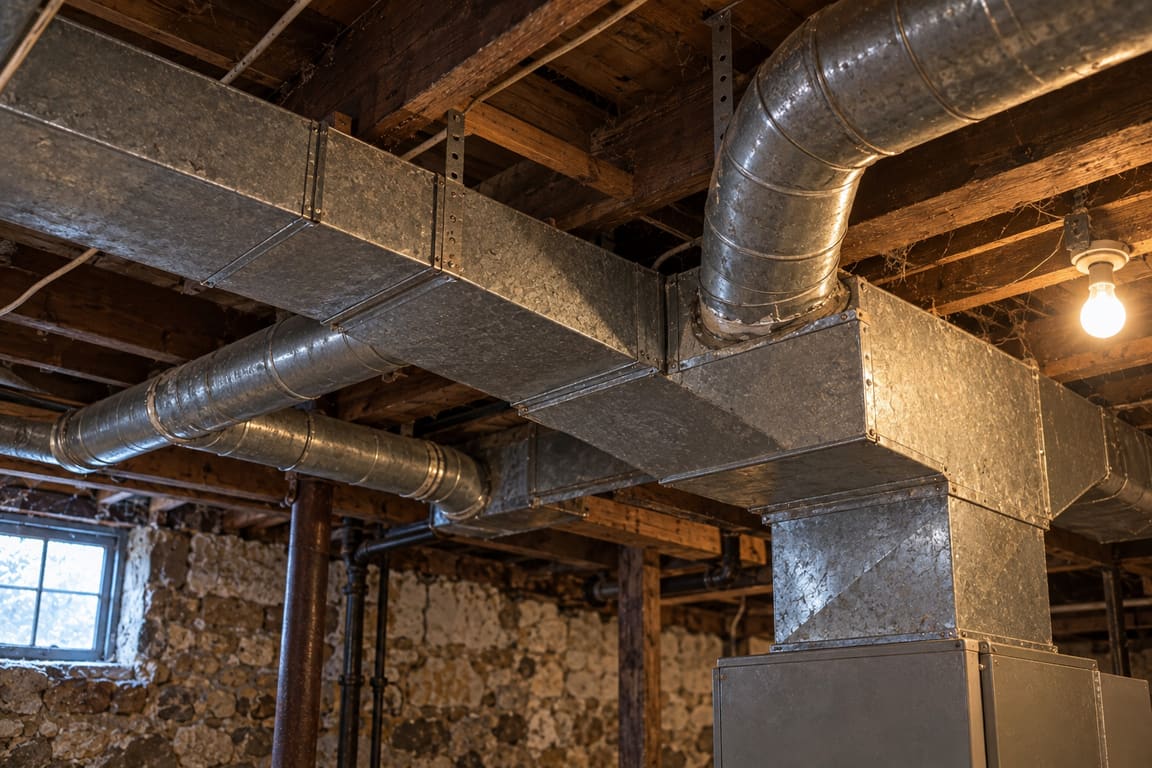
We look at the flue or vent pipes for blockage or damage. On a high-efficiency furnace we also check the condensate drain, since a backed-up drain can shut the unit down.
We also look at the thermostat, the electrical connections and the heat exchanger. You get a plain explanation of what failed, what the repair involves and whether it makes sense for the age of your furnace.
Your Options
Repair or Replace?
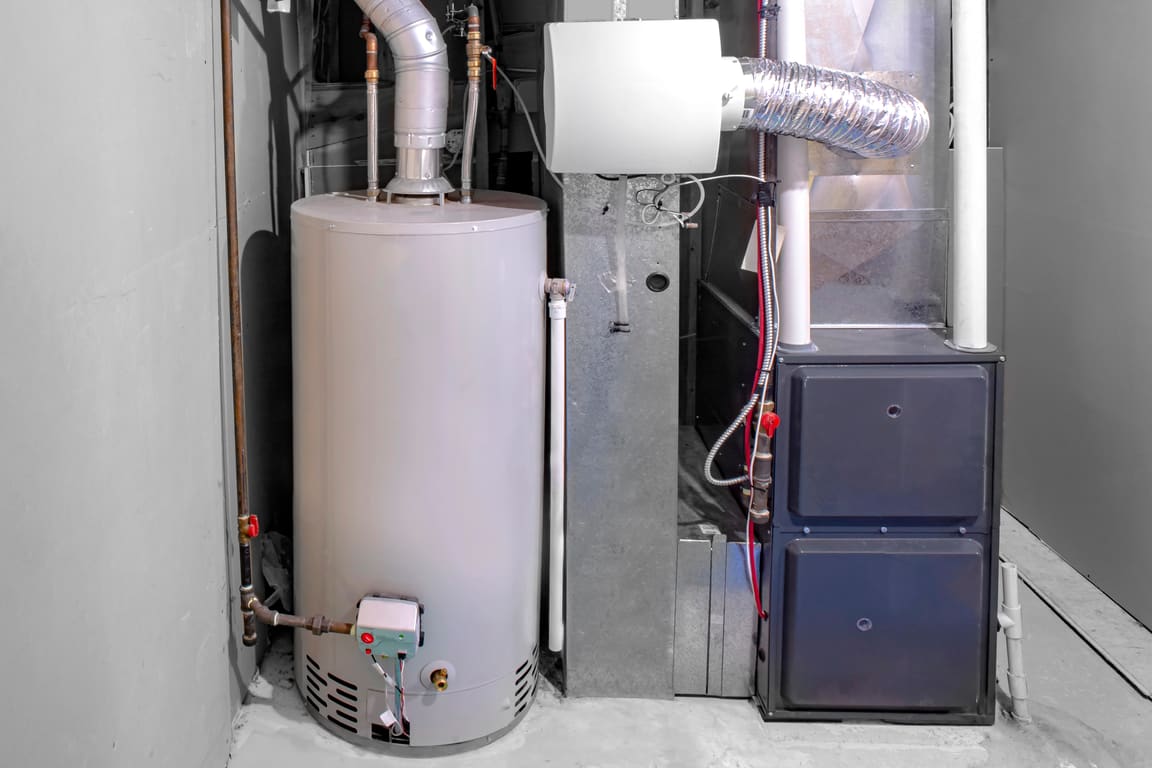
A repair makes sense when the problem is one failed part on a furnace that is otherwise sound.
Replacement gets more attractive when the furnace is well past 15 years old, the repairs are coming one after another, or the heat exchanger is cracked. A cracked heat exchanger is a safety issue, not a comfort issue. Ask for the repair option and the replacement option side by side, with what each includes, so you can compare them. If replacement is on the table, see furnace replacement for what to compare.
Safety
When to Shut It Off and Call Right Away
If you smell gas or your carbon monoxide alarm sounds, do not stay in the house to troubleshoot.
- Smell gas, or hear a hiss near the furnace: leave the house right away, then call the gas utility or 911 from outside. Do not flip switches or use the phone inside.
- Carbon monoxide alarm sounding: get everyone outside, then call 911. Call us after the house has been checked and cleared.
- Burning smell, smoke or visible flames: switch the furnace off at the thermostat and the breaker, and call 911 if there is any fire.
- Water pooling around the furnace: shut the furnace off at the switch and call us.
Furnace Repair Questions
Why Does My Furnace Keep Shutting Off After a Few Minutes?
The usual causes are a clogged filter or blocked airflow that makes the furnace overheat, a dirty flame sensor that loses the flame, or a vent problem. Check the filter first. If it is clean and the problem continues, it needs a diagnostic visit.
Why Is My Furnace Running but Blowing Cold Air?
The burners may not be staying lit, the thermostat fan setting may be on constant, or the furnace may be shutting down on a safety limit and leaving the blower running. A tech can tell which by watching a full cycle.
Should I Change the Filter Before Calling?
Yes, it is the one thing worth checking yourself. A filter packed with dust restricts airflow and causes many service calls. Turn the furnace off before you remove it.
How Do I Tell a Furnace Problem From a Thermostat Problem?
If the thermostat screen is blank or unresponsive, try fresh batteries first. If it responds and calls for heat but the furnace never starts, the issue is on the furnace side. Raising the setting 5 degrees above room temperature is a simple way to test the call for heat.
Get a Free Estimate
Tell us what is going on with your system. We will get back to you with next steps.