 A Rooftop Power Company

Home / Guides / Heat Pump or Furnace
Heating Guide
Heat Pump or Furnace for a Rhode Island Home?
For many Rhode Island homes, a cold-climate heat pump can now do the job a furnace used to do. The Rhode Island Office of Energy Resources says modern air-source heat pumps can meet all of a home's heating and cooling needs, even in New England winters. Whether it is the right swap for your house depends on four things: your ducts, the fuel you heat with today, whether you want a backup, and how the system is sized.
How a Heat Pump Compares, Including in Winter
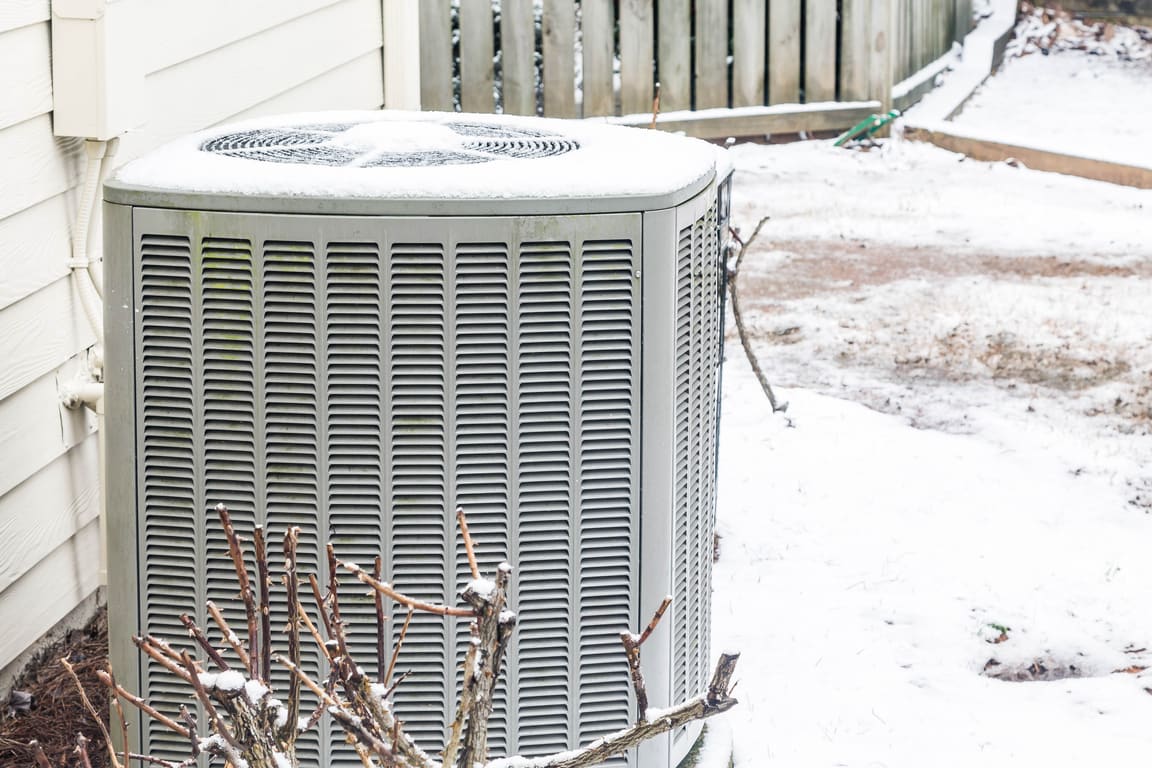
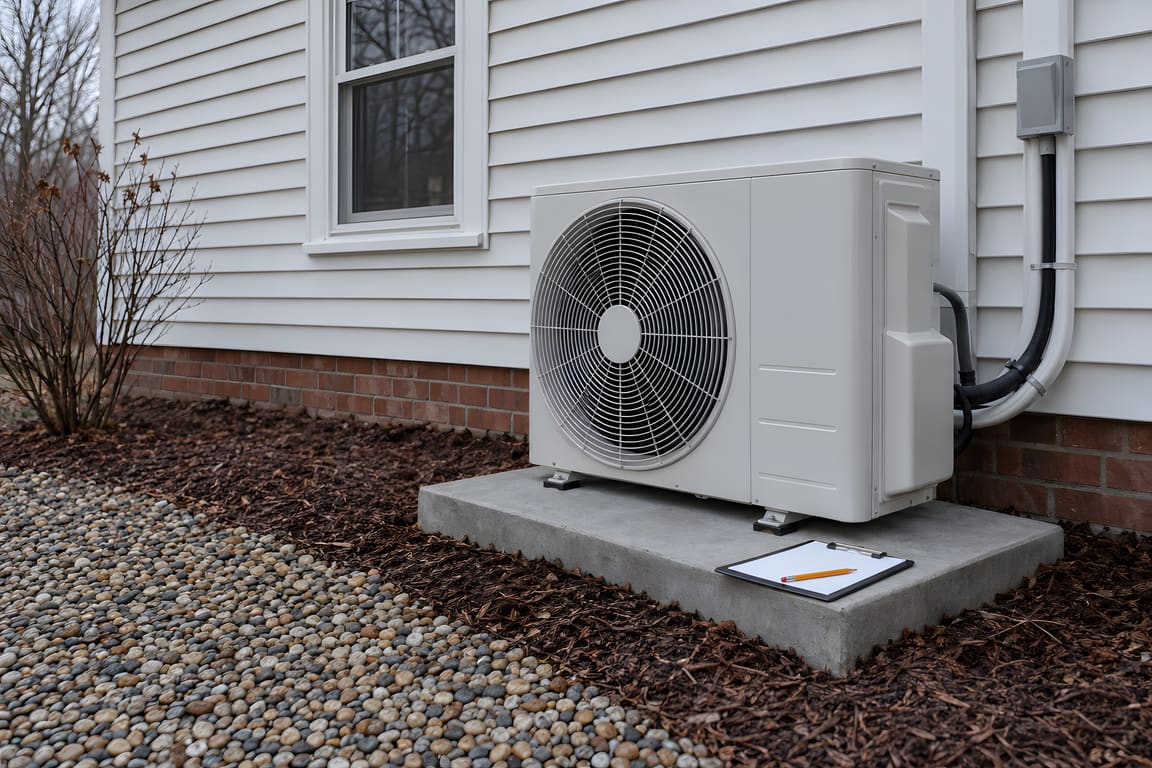
A furnace makes heat by burning fuel and blowing it through ducts. A heat pump uses electricity to move heat instead of making it. ENERGY STAR says an air-source heat pump can deliver up to three times more heat energy to a home than the electrical energy it consumes, and that a heat pump is more energy-efficient than a furnace or boiler, even in winter. A heat pump cools too, so one system can replace both a furnace and a central air conditioner.
Cold weather changes which heat pump you pick, not whether you can. ENERGY STAR's cold climate standard requires third-party verified low-temperature performance, with air-source heat pumps tested down to 5°F. The Northeast Energy Efficiency Partnerships (NEEP) keep the cold-climate product list that Rhode Island Energy rebates are based on. The U.S. Department of Energy notes that newer cold climate models can deliver heat in extremely cold regions such as New England.
Performance still varies by model and by house. For the full cold-weather picture, see our page on heat pumps for Rhode Island homes.
Start With Your Ducts
Ducts are often the deciding factor.
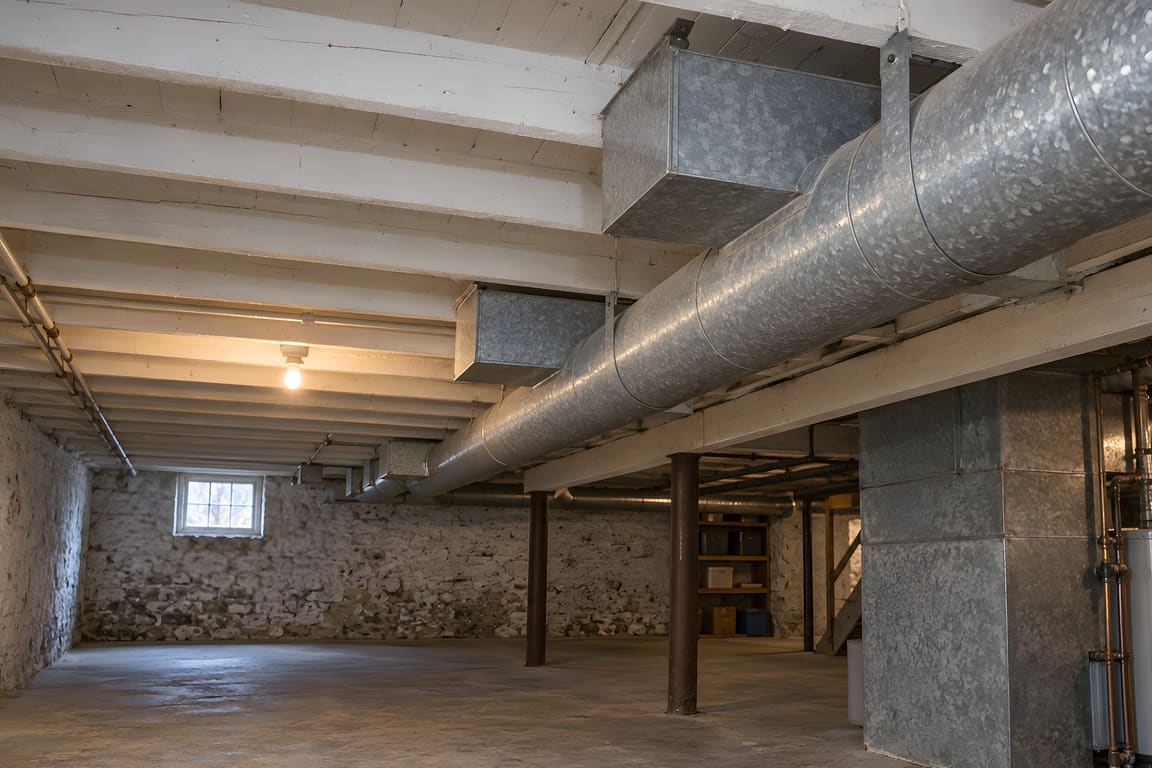
- You have ducts in good shape. ENERGY STAR says a ducted heat pump can use existing ductwork and, in most zones, can be a drop-in replacement when a furnace or central air conditioner needs replacing.
- You have ducts that leak. ENERGY STAR says that in a typical house about 20 to 30 percent of the air moving through the duct system is lost to leaks, holes and poorly connected ducts. Ask whoever quotes the job whether the ducts will be checked and sealed before new equipment goes on them.
- You have no ducts. A ductless mini-split heat pump mounts on an interior wall or ceiling and needs none. See our guide to ductless mini-splits.
Your Fuel Today Changes the Math
What you heat with now shapes how much a switch can change. The U.S. Department of Energy says cold climate heat pumps can reduce household energy consumption by up to 40%, with homes now using electric resistance heat such as baseboard, or fuel oil, likely to see the most savings. ENERGY STAR likewise lists switching from electric resistance, propane and oil as the way to lower energy bills with a heat pump.
Your own result depends on your home, your rates and how you use the system, so treat these as the direction of the effect, not a promise for your house.
Backup Heat: Keep the Furnace or Not
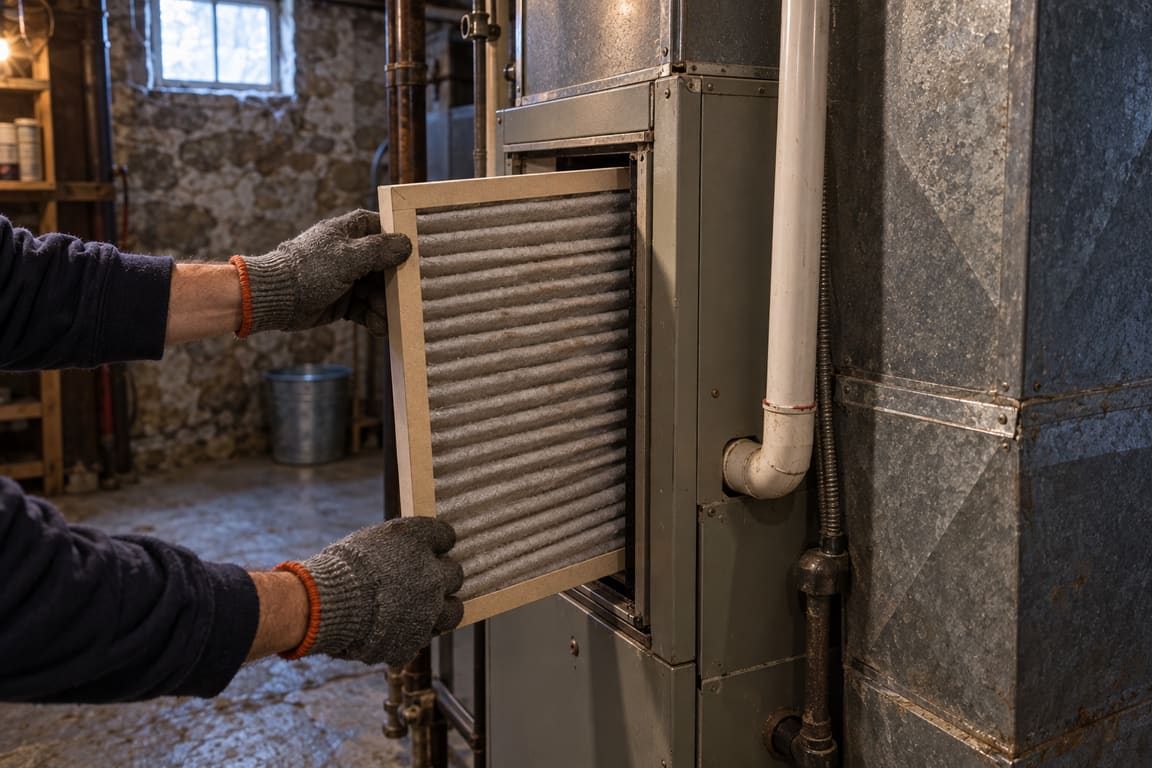
The sources weigh different things here, and both are worth knowing before you decide.
- The Rhode Island Office of Energy Resources says modern cold climate heat pumps are more than capable of heating a home on very cold Rhode Island days.
- ENERGY STAR says a cold climate heat pump keeps working below 5°F, but pairing it with a backup source heats your home most efficiently when it is colder still, and that a good contractor will help size and integrate that backup.
- ENERGY STAR describes a dual-fuel setup as a heat pump paired with a furnace, letting you choose between them based on cost and environmental benefit.
If you keep an old system as backup, the Office of Energy Resources suggests setting its thermostat 5 to 10 degrees below the heat pump's, then raising it a few degrees on very cold days to supplement. A furnace that is past 15 years old is a separate question; see furnace replacement.
Tighten the House and Size It Right
The Rhode Island Office of Energy Resources recommends weatherizing first: air sealing and insulation, starting with a home energy assessment from your utility. It also says many contractors rely on rules of thumb or swap equipment like for like, and that habit should be avoided with a heat pump because it can lead to poor performance and higher operating costs.

What to ask for, per the Office of Energy Resources and ENERGY STAR:
- A load calculation, often called Manual J, that works out how much heating and cooling your home needs.
- A blower door test to find air leaks, if you want a closer read on the house.
- Whether your electrical panel needs an upgrade.
- At least three contractor quotes.
ENERGY STAR also notes that improper installation can reduce a system's performance by as much as 30%.
Where Rebates Fit
Rebates can change which option makes sense, so check them before you decide. Rhode Island Energy rebates require equipment that meets ENERGY STAR 6.1 Cold Climate Criteria. Clean Heat Rhode Island is aimed at income-eligible homes that now heat with oil, propane or natural gas, and it requires an installer from its Heat Pump Installer Network. Amounts and rules change, so we do not quote numbers here. Current details are on our rebates page.
Heat Pump or Furnace Questions
Can a Heat Pump Replace My Furnace Completely?
For many homes, yes. The Rhode Island Office of Energy Resources says modern cold climate heat pumps can meet all heating and cooling needs. Some homeowners keep the old system as backup. Which fits your house is what the estimate is for.
Do I Need New Ductwork for a Heat Pump?
Not always. A ducted heat pump can use existing ducts in good shape, and a ductless mini-split needs none.
Should I Repair My Furnace or Switch to a Heat Pump?
It depends on the furnace's age and condition, how it is heated now and what incentives apply. ENERGY STAR lists a furnace or boiler more than 15 years old as one sign it may be time to compare replacements. See furnace replacement.
Will a Heat Pump Work With Solar?
A heat pump runs on electricity, so solar can supply some of what it uses. See heat pumps and solar.
Not sure which way to go? We compare your options with you at the estimate: your current system, your layout and your goals. Get a Free Estimate
Sources: ENERGY STAR, Air-Source Heat Pumps; ENERGY STAR, Duct Sealing; ENERGY STAR, When Is It Time to Replace; U.S. Department of Energy, Cold Climate Air-Source Heat Pumps; Rhode Island Office of Energy Resources, Residential Guide to Air Source Heat Pumps; NEEP, Cold Climate Air-Source Heat Pump Product List; Rhode Island Energy, High-Efficiency Electric Heat Pumps and Clean Heat Rhode Island, Incentives (checked October 23, 2026).
Related guide: Ductless Mini-Split or Central AC for an Older Home?