 A Rooftop Power Company

Home / Duct Cleaning
Air Duct Cleaning in Rhode Island
Air duct cleaning for Rhode Island homes, and the EPA signs that tell you when it is worth considering.
When Is Air Duct Cleaning Worth Considering?
RTP HVAC cleans air ducts in Rhode Island homes. EPA says to consider cleaning when ducts have substantial visible mold, vermin, or so much dust and debris that particles come out of the supply registers. Without those signs, and with no allergies or unexplained symptoms in the household, it is probably unnecessary.
Signs to Consider Duct Cleaning
- Substantial visible mold growth inside hard surface ducts, such as sheet metal, or on other parts of the heating and cooling system
- Rodents or insects living in the ducts
- Ducts clogged with a lot of dust and debris, or particles coming out of the supply registers
EPA says any of these usually suggests one or more underlying causes, and that the cause has to be corrected before cleaning or the problem will likely recur. If you are not sure what you are seeing, get in touch and tell us what you notice.
Get a Free Estimate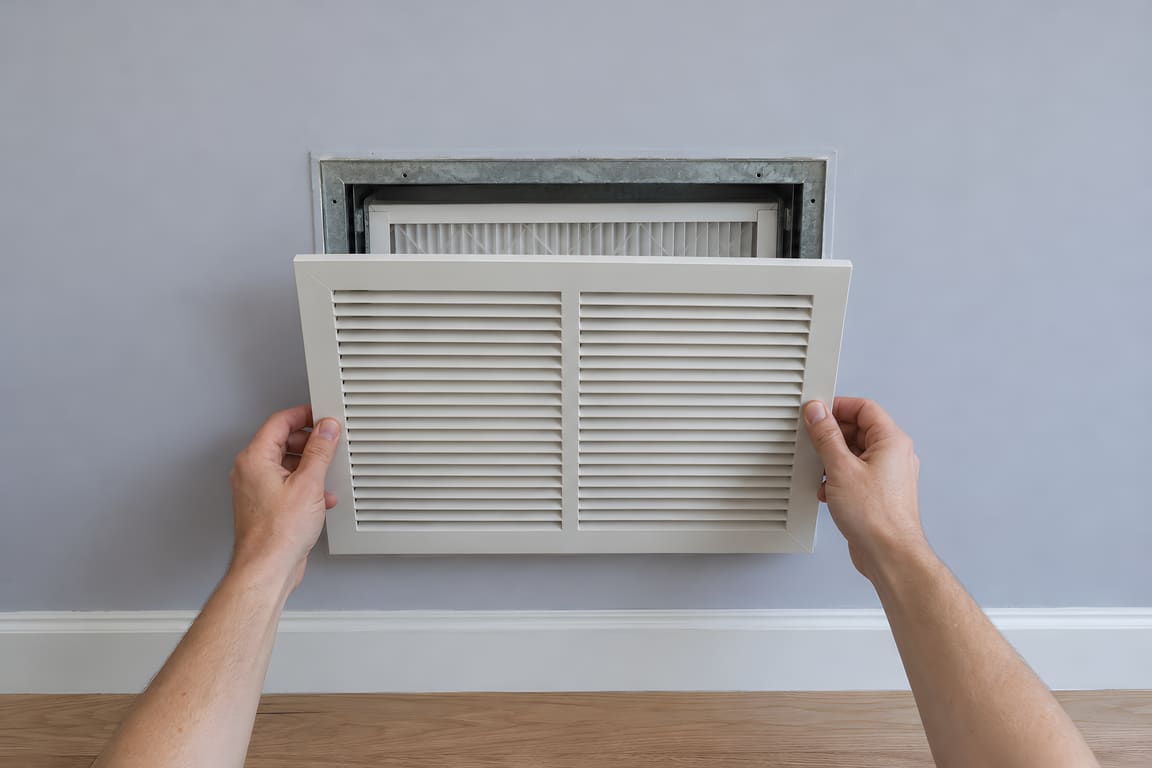
Signs It Is Probably Unnecessary
- No musty odor and no visible mold
- No large deposits of dust or debris in the ducts
- Dusty return registers. That is normal, because dust-laden air is pulled through the grate
- A light amount of household dust in the ducts
EPA says this applies when no one in the household has allergies or unexplained symptoms or illnesses. If family members have unexplained symptoms they think might be related to the home, EPA says to discuss it with a doctor. A dusty return register can be vacuumed, or removed and cleaned. Little evidence shows that cleaning only the ducts makes a system more efficient.
What Duct Cleaning Has and Has Not Been Shown to Do
The U.S. Environmental Protection Agency says it cannot give a blanket recommendation on cleaning the air ducts in a home.
EPA also says duct cleaning "has never been shown to actually prevent health problems." Studies have not conclusively shown that dust levels in homes go up because of dirty ducts or go down after cleaning, partly because much of the dirt in ducts sticks to the duct surfaces and does not necessarily enter the living space.
EPA does not recommend cleaning ducts except as needed. It does recommend that a fuel-burning furnace, stove or fireplace be inspected and serviced before each heating season to protect against carbon monoxide poisoning. Our maintenance and repair page covers seasonal check-ups.
On system efficiency, EPA says some research suggests that cleaning dirty cooling coils, fans and heat exchangers can improve the efficiency of heating and cooling systems. Little evidence shows that cleaning the duct system alone raises efficiency. We make no health or air quality promises for duct cleaning.
What Duct Cleaning Generally Refers To
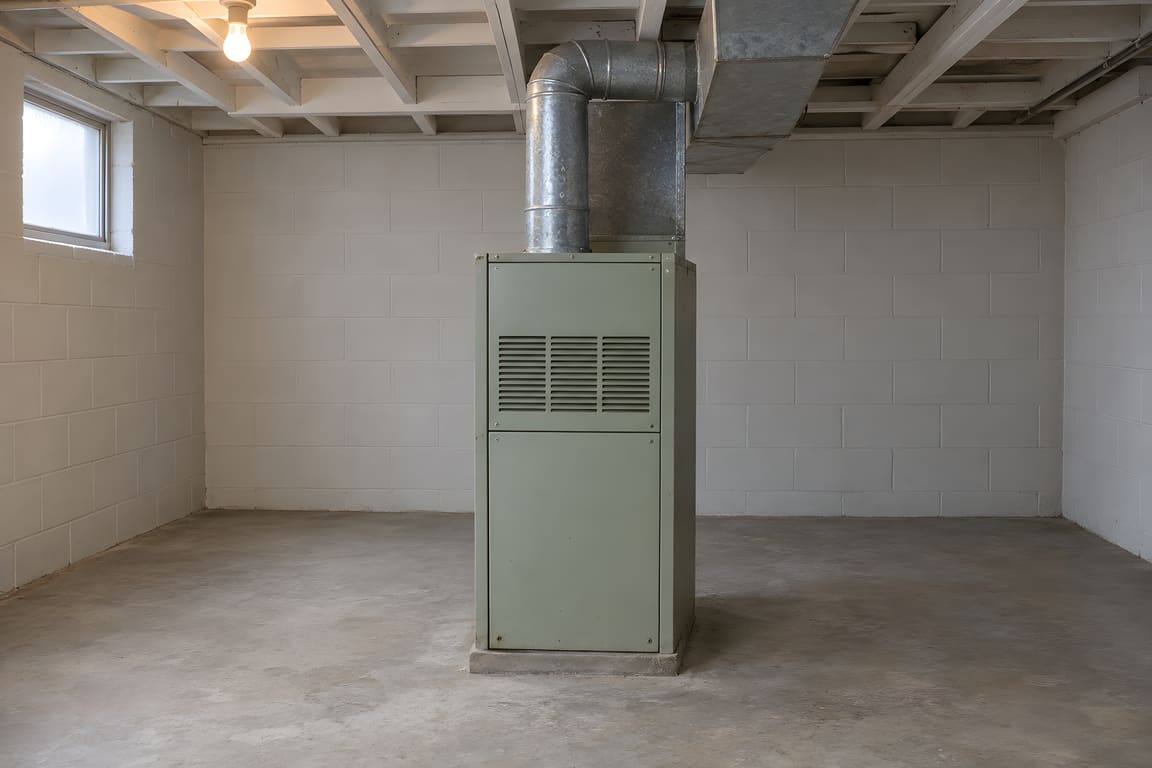
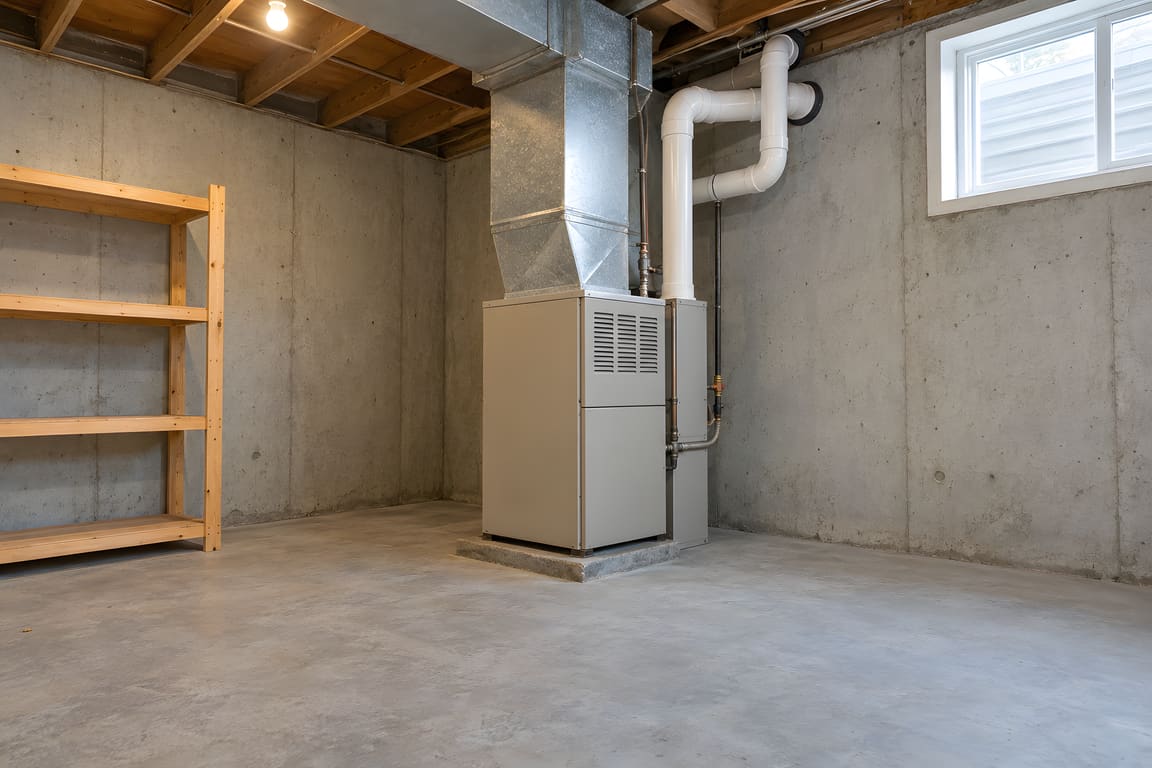
EPA describes duct cleaning as work on several parts of a forced air system. Ask any provider to confirm which parts are included.
Ducts and Registers
The supply and return air ducts, registers, grilles and diffusers.
Coils and Drain Pans
Heating and cooling coils, heat exchangers and condensate drain pans.
Fan and Air Handler
The fan motor, fan housing and air handling unit housing.
EPA says the provider should agree to clean all components of the system. Leaving one part uncleaned in a contaminated system can recontaminate the whole system.
What to Ask Any Duct Cleaning Service
- Can you show me the contamination that justifies cleaning? EPA suggests asking providers to show you
- Will you give me a written agreement with the total cost and scope of the job before work begins?
- Does your vacuum equipment exhaust particles outside the home, or use HEPA filtration if it exhausts inside?
- Do you plan to apply chemical biocides or sealants inside the ducts? If so, why, and what are the pros and cons?
- Will you inspect for asbestos-containing materials before cleaning?
EPA says to be wary of cleaners who make sweeping health claims or recommend cleaning as routine maintenance. It also says EPA does not certify, endorse or approve duct cleaning companies.
Fix the Cause First
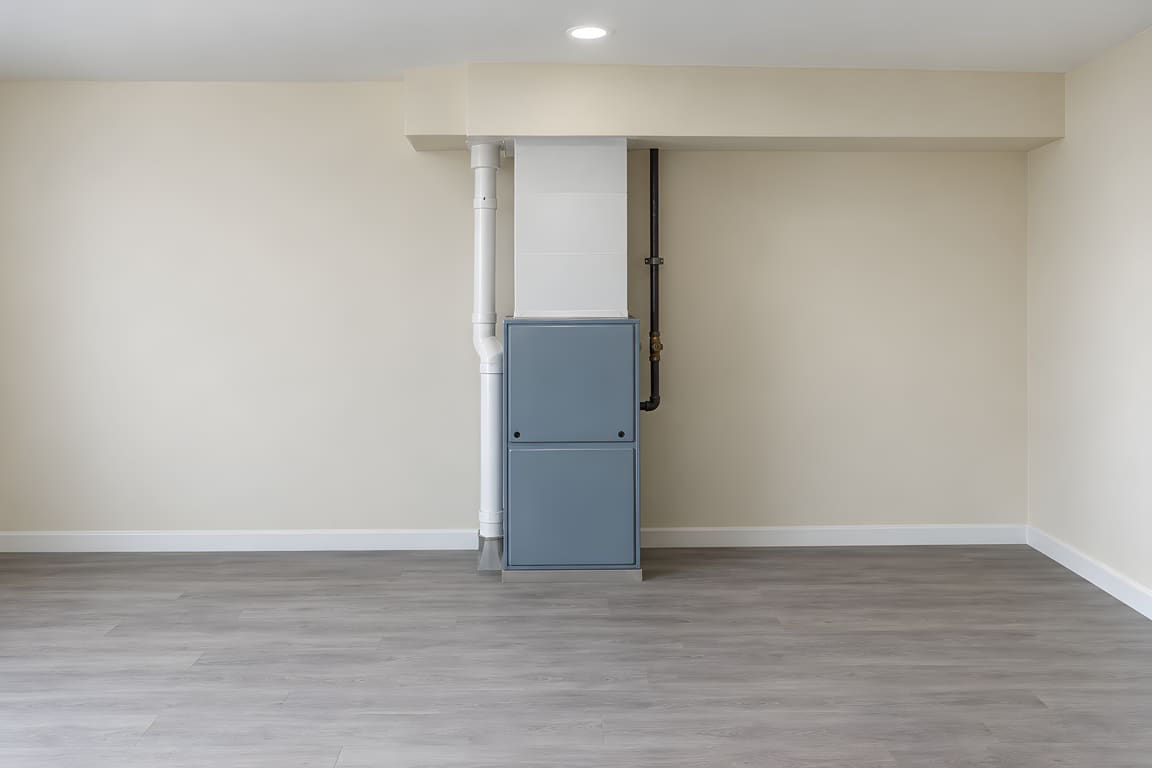
EPA says controlling moisture is the most effective way to prevent biological growth in air ducts. It points to leaks, condensation near cooling coils and ducts that are not sealed and insulated in attics and crawl spaces. In Rhode Island, we test, seal and repair ducts too. See ductwork.
EPA also advises changing filters regularly, using the highest efficiency filter your system manufacturer recommends, and sealing off registers during dusty renovation work. If you are replacing equipment, see furnace replacement or heat pumps.
Duct Cleaning Questions
Do you clean air ducts?
Yes. RTP HVAC cleans ducts in Rhode Island homes, including Warwick. Tell us what you are seeing when you call.
Is duct cleaning worth it?
EPA says to consider it when there is substantial visible mold in hard surface ducts, vermin, or ducts clogged with excess dust and debris. If no one in the household has allergies or unexplained symptoms and those signs are absent, EPA says cleaning is probably unnecessary. EPA does not recommend cleaning ducts except as needed.
Will duct cleaning improve my indoor air quality or health?
EPA says duct cleaning has never been shown to actually prevent health problems. We do not promise health or air quality results from it.
How do I know if my ducts need cleaning?
Look for visible mold, a musty odor, signs of rodents or insects, or dust and debris coming from the supply registers. Dusty return registers are normal. Tell us what you notice when you get in touch. Estimates are free.
Should a cleaner apply a biocide or sealant in my ducts?
EPA says research has not demonstrated the effectiveness of chemical biocides and sealants in duct cleaning, and no biocides are registered by EPA for internally insulated duct systems. Ask why a provider wants to use them. Using a sealant to coat the inside surfaces of ducts is a different practice from sealing duct air leaks.
Source: U.S. EPA, Should You Have the Air Ducts in Your Home Cleaned?
Get a Free Estimate
Tell us what you are seeing in your ducts. We will get back to you with next steps.