 A Rooftop Power Company

Home / Ductwork
Ductwork Installation, Repair and Sealing in Rhode Island
New ducts, duct repair, duct testing and duct sealing for Rhode Island homes, with the signs to watch for.
What Ductwork Services Does RTP HVAC Offer?
RTP HVAC installs, repairs, tests and seals ductwork in Rhode Island homes. That covers new ductwork for a home that has none, repair of damaged or disconnected ducts, duct testing to measure leakage and duct sealing. Tell us what you notice at home, and we go over the options at the estimate.
Signs Your Ducts Need Attention
ENERGY STAR lists these as signs that a home has poorly performing ducts.
- High summer and winter utility bills
- Rooms that are difficult to heat and cool
- Stuffy rooms that never seem to feel comfortable
- Ducts located in an attic, crawlspace or garage
- Tangled or kinked flexible ducts in the system
Dust can be another sign. ENERGY STAR names dust from leaking ductwork and poor air distribution as comfort problems that can follow a poor installation.
Get a Free Estimate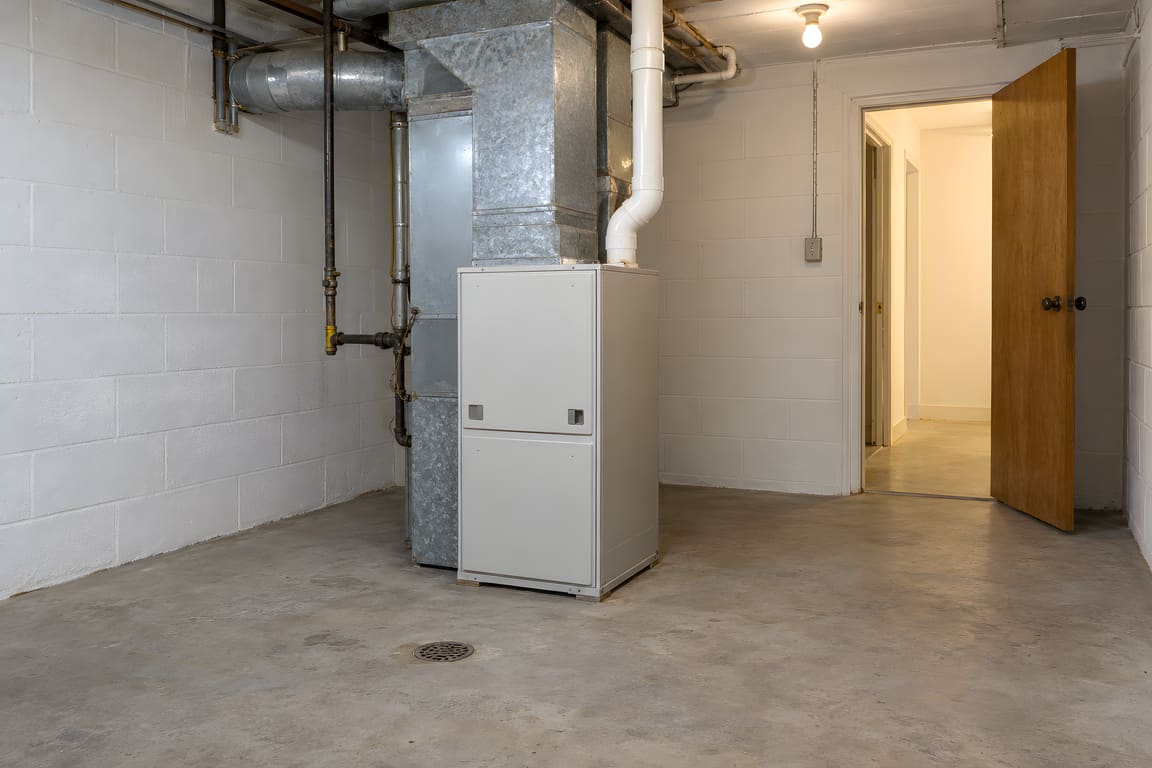
What You Can Look At Yourself
Many ducts are hidden, but some runs are easy to see. ENERGY STAR suggests walking through the parts of the system you can reach and asking three questions.
- Are there any obvious holes, gaps or disconnections in the ducts?
- Are the connections at vents and registers well sealed where they meet the floors, walls and ceiling?
- Are flex ducts straight with only gentle curves, and not ripped, torn, squashed or disconnected?
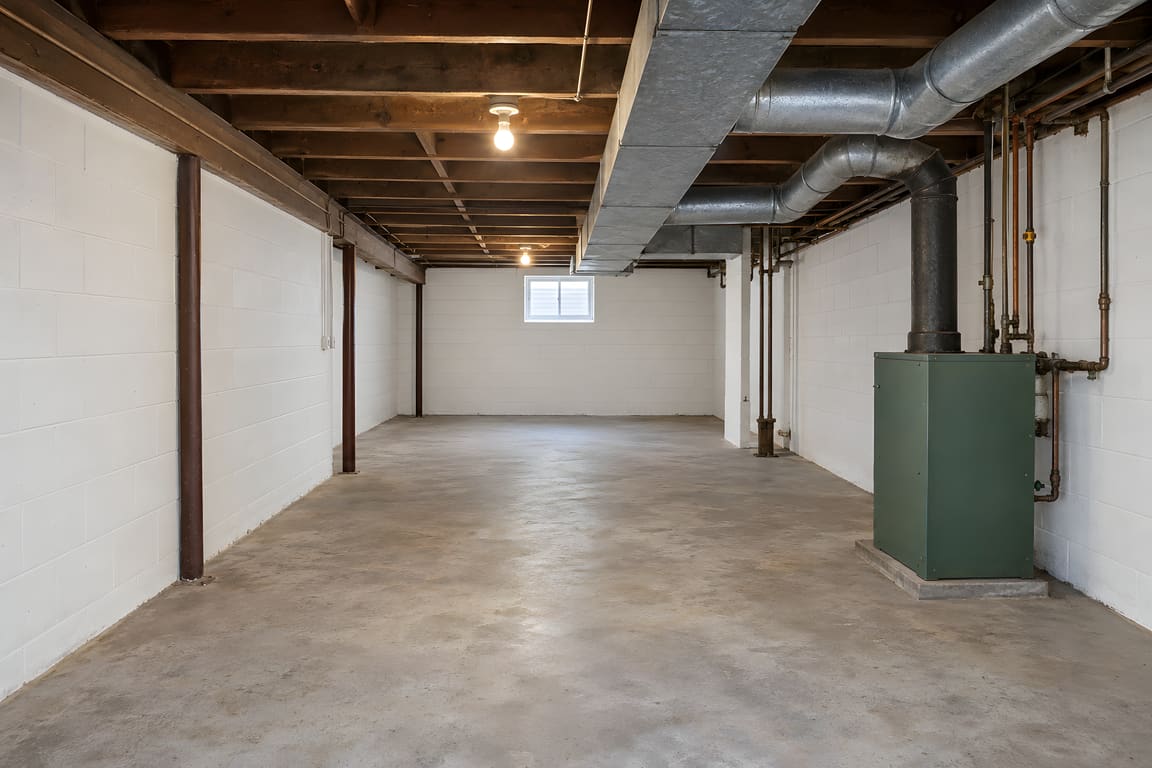
Ducts run through different parts of different houses. Common places include attics, crawlspaces, unfinished basements, garages, and inside walls and ceilings.

Ductwork Services
Installation, repair, testing and sealing often come up together, and you can ask about any one of them.
Ductwork Installation
New ducts for a home that has none, or an addition or finished space that needs a new run. Where the ducts go depends on the layout of your house and the system they will serve.
Duct Repair
Fixing sections that are damaged, disconnected, crushed or kinked so air reaches the rooms it is meant for.
Duct Testing
A duct test measures how much air leaks out of the system. The result shows how much air the ducts lose.
Duct Sealing
Closing the leaks at seams, joints and connections.
What Leaky or Poorly Installed Ducts Can Do
Ducts carry the air your heating and cooling equipment makes to every room.
ENERGY STAR says that in a typical house, about 20 to 30 percent of the air that moves through the duct system is lost to leaks, holes and poorly connected ducts. It describes the result as higher utility bills and difficulty keeping the house comfortable, no matter how the thermostat is set.
The same problem can shorten the life of the equipment. A U.S. Department of Energy program lists leaky ducts among the installation problems that result in efficiency losses, occupant discomfort and shortened equipment life, along with oversizing and improper charging.
This is also why ducts come up when you replace a system. ENERGY STAR's bid checklist for a new furnace, central air system or ducted heat pump includes a section of questions about ductwork.
How Duct Testing and Sealing Work
Testing finds out how leaky the system is. Sealing and repair address what the test and a visual check turn up.
Testing. A duct test measures leakage. ENERGY STAR's bid checklist for new heating and cooling systems asks a contractor, "Will you test to confirm that duct leakage does not exceed recommended levels?" It is a question to ask any contractor.
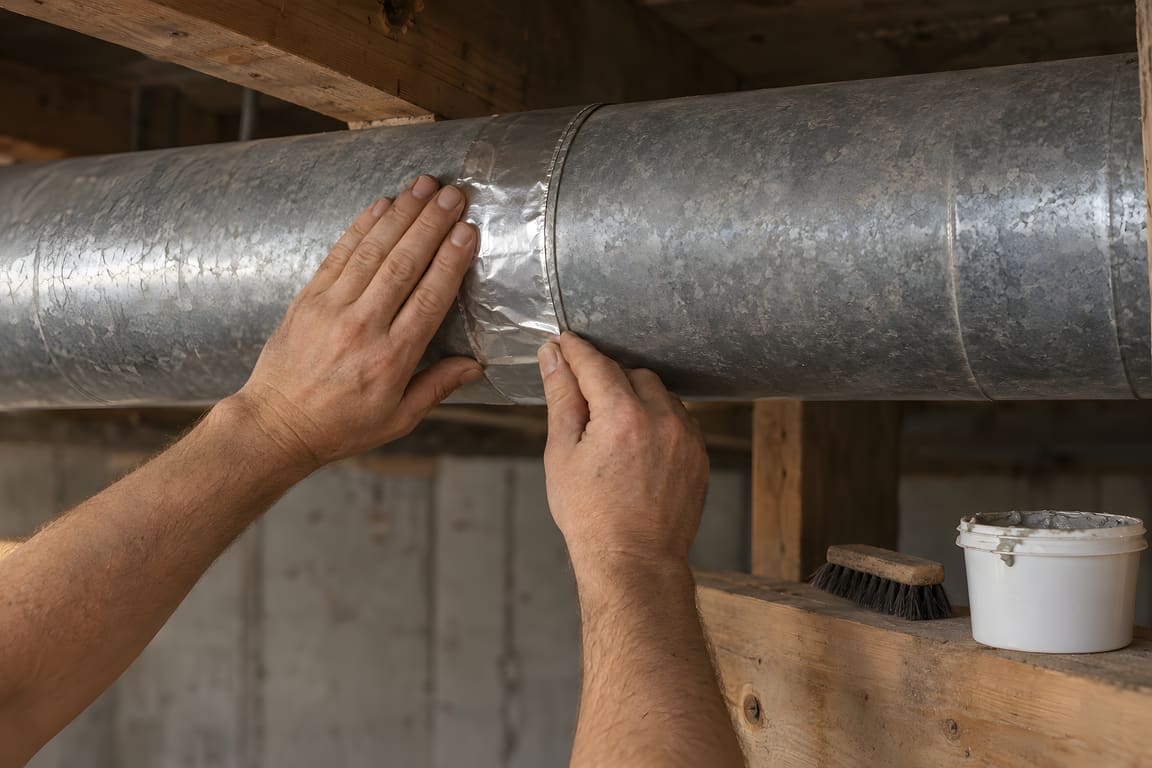
Sealing. ENERGY STAR says to seal air leaks using mastic sealant or metal tape, and to insulate ducts that run through spaces such as attics, crawlspaces, unfinished basements and garages. It also says, "Never use duct tape, as it is not long-lasting."
Repair. Damaged and disconnected ducts are repaired, and flexible ducts that are tangled or crushed are straightened out. ENERGY STAR's list of what to look for in a contractor also includes sealing registers and grills tightly to the ducts, and evaluating air flow after repairs are completed.
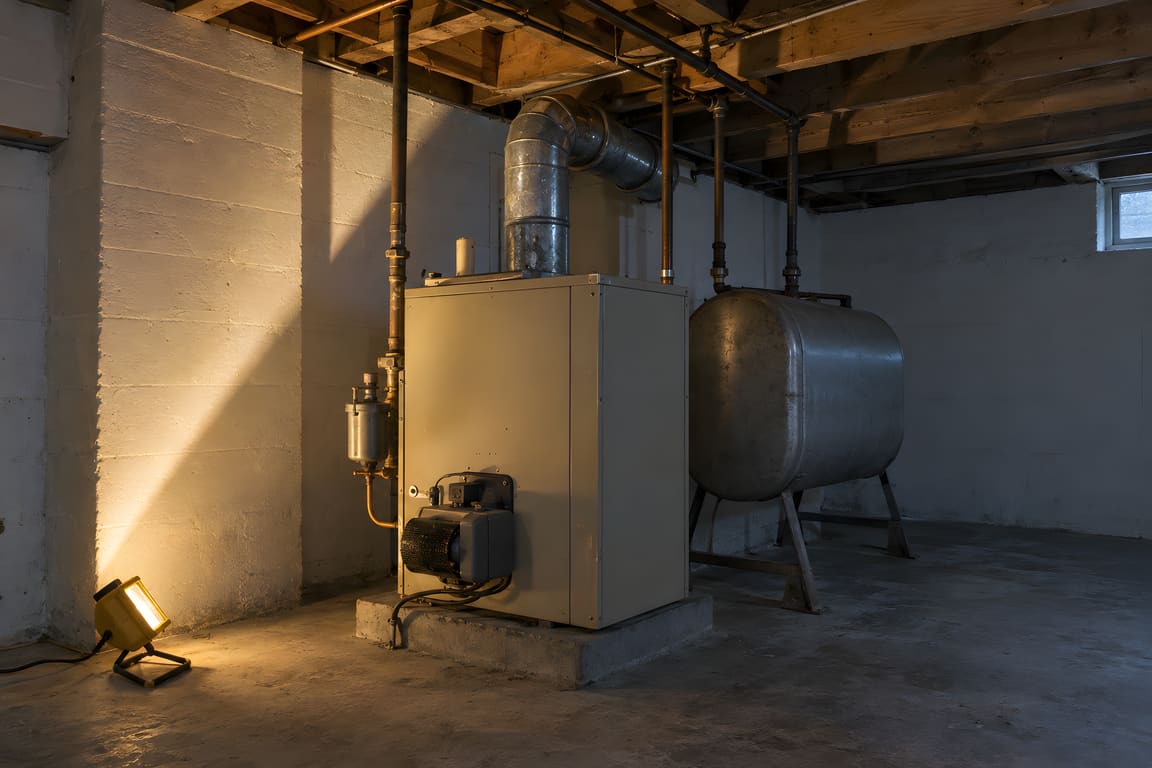
Checking the whole system. ENERGY STAR advises looking for a contractor who will inspect the whole duct system, including attic and crawlspaces, and who will ensure there is no backdrafting of gas or oil-burning appliances after the ducts are sealed.
Some homeowners seal the ducts they can reach themselves, and ENERGY STAR notes that many choose a professional contractor, adding that "Most heating and cooling equipment contractors also repair ductwork." ENERGY STAR notes that because ducts are often concealed in walls, ceiling, attics and basements, repairing them can be difficult.
When a Home Needs New Ducts
New ductwork can come up when a home with no ducts is getting central air or a ducted heat pump, since both cool through ducts. It can also come up with an addition, a finished attic or basement, or a run that was damaged or removed during earlier work.
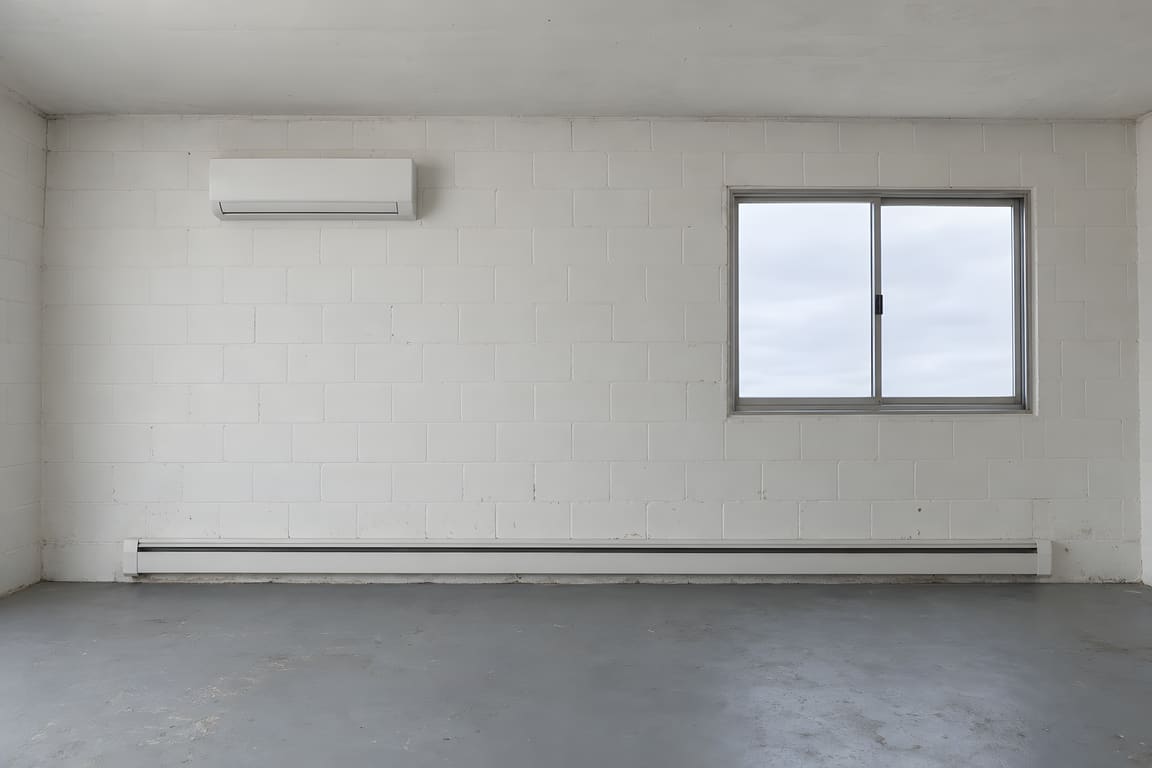
ENERGY STAR lists older homes with no existing ductwork, such as those heated with radiators or baseboard, and additions where extending ductwork is difficult, as good fits for a ductless mini-split. If running ducts through your house looks hard, ductless mini-splits are the other route, and our guide on a ducted heat pump or mini-split compares the two.
If your ducts need cleaning rather than sealing or repair, see duct cleaning. RTP HVAC does ductwork in Rhode Island, and you can send us a request from any Rhode Island town.
Ductwork Questions
How do I know if my ducts are leaking?
ENERGY STAR lists high utility bills, rooms that are hard to heat or cool, stuffy rooms, ducts in an attic, crawlspace or garage, and kinked flexible ducts as signs. A duct test measures the leakage, so you do not have to guess.
What is the difference between duct repair and duct sealing?
Repair fixes ducts that are damaged, disconnected, crushed or kinked. Sealing closes the leaks at seams, joints and connections. A system can need one or both, and a visual check plus a test shows which.
Can I seal my ducts with duct tape?
ENERGY STAR says never to use duct tape because it is not long-lasting, and names mastic sealant or metal tape for sealing leaks. ENERGY STAR notes that many homeowners choose a professional contractor for duct improvement projects.
Do I need new ductwork to add central air?
A central air system cools through ducts, so a home without them needs ducts added. A ductless mini-split is the option that skips ducts, and the estimate is where we compare the two for your layout.
Do you install, repair and seal ductwork in my Rhode Island town?
Yes, in Rhode Island. RTP HVAC installs and repairs ductwork, tests ducts and seals them, including in Warwick. Tell us what you are seeing when you get in touch.
Sources: ENERGY STAR, Duct Sealing, ENERGY STAR, Duct Sealing with ENERGY STAR (fact sheet), ENERGY STAR, Hire a Professional Contractor for Duct Improvement Projects, ENERGY STAR, Heating & Air Conditioning Installation Bid Comparison Checklist, ENERGY STAR, Ductless Heating and Cooling and U.S. Department of Energy, Purchasing Energy-Efficient Residential Air-Source Heat Pumps.
Get a Free Estimate
Tell us what is going on with your ducts. We will get back to you with next steps.