 A Rooftop Power Company

Home / Guides / Oil Heat to Heat Pump
Switching From Oil Heat to a Heat Pump in Rhode Island
Switching from oil to a heat pump starts with the house, not the equipment. Look at how heat reaches each room today, what the building holds in, whether the electrical service can carry a new load and whether the oil system stays as a backup. In East Greenwich, about 40% of occupied homes heat with oil or kerosene. In North Kingstown it is about 23%.
What to Look at in the House First
The Rhode Island Office of Energy Resources suggests doing four things before a heat pump goes in: ask your utility for a home energy assessment, make weatherization improvements, find out whether the electrical panel needs an upgrade to 200 amp service, and get quotes from at least three contractors. It says to weatherize first, meaning air sealing and insulation, to maximize comfort and minimize costs, and it calls the panel upgrade common in older houses.
It also asks you to bring two things to the conversation. One is how much fuel you typically use for heating, so your oil delivery records are worth finding. The other is a list of the rooms that run too hot or too cold. Both help with sizing, and the office says to avoid sizing by rules of thumb or swapping equipment like for like.
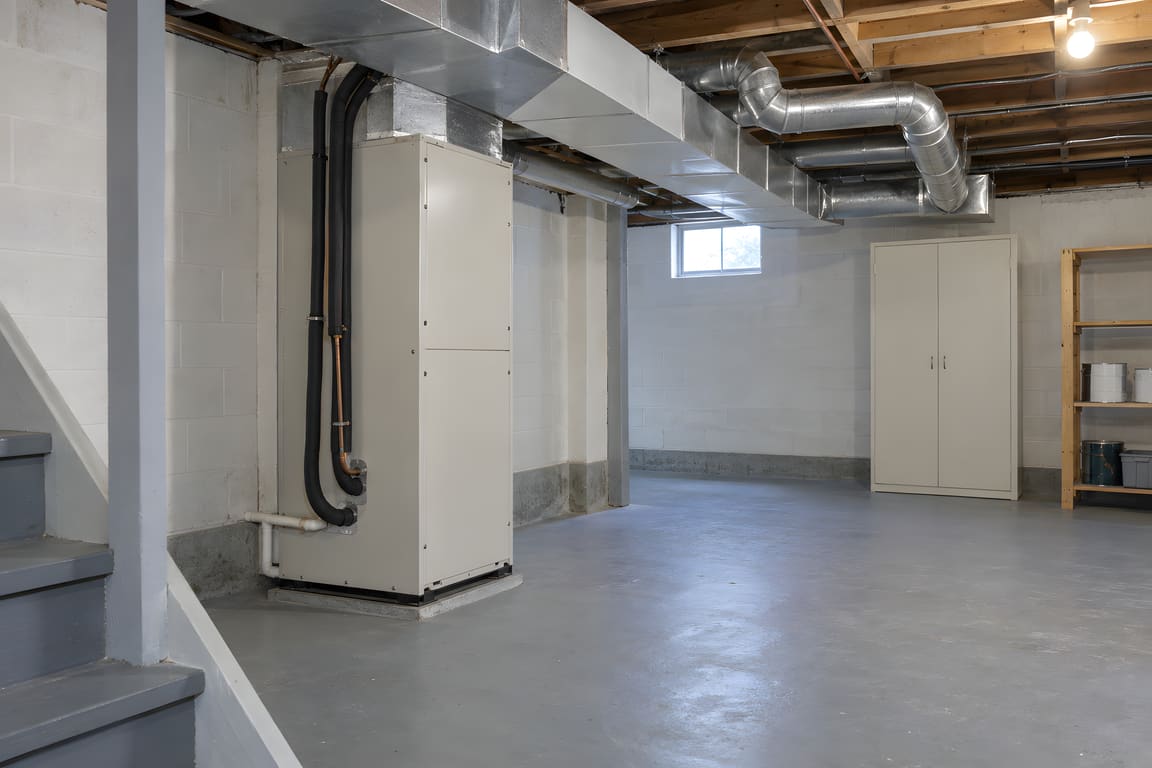
The indoor part of a ducted system, called an air handler, usually goes in a basement or attic, according to the same guide. If your oil boiler or furnace is in the basement, the spot around it is worth a look.
Ducts or Ductless in an Oil-Heated House
What you already have decides the layout. An oil furnace sends warm air through ducts. An oil boiler sends hot water to radiators or baseboard, which leaves no ducts to reuse.
- A furnace and ducts in good shape. ENERGY STAR says a ducted heat pump can use existing ductwork and, in most zones, can be installed as a drop-in replacement when a furnace needs replacing. Our guide to heat pump or furnace covers what to ask about the ducts.
- A boiler with radiators or baseboard. ENERGY STAR lists older homes with no existing ductwork, such as radiators or baseboard heat, as a place mini-split heat pumps are used. The unit mounts on an interior wall or ceiling and connects to an outdoor unit.
- A mix. The Office of Energy Resources says one outdoor unit can connect to up to 6 ductless indoor units or to an indoor air handler, and that a combination of ducted and ductless systems may suit some homes.
For help choosing between the two, see ducted heat pump or mini-split, or read about heat pumps and mini-splits.
Keep the Oil System as Backup or Take It Out
The sources describe both choices.
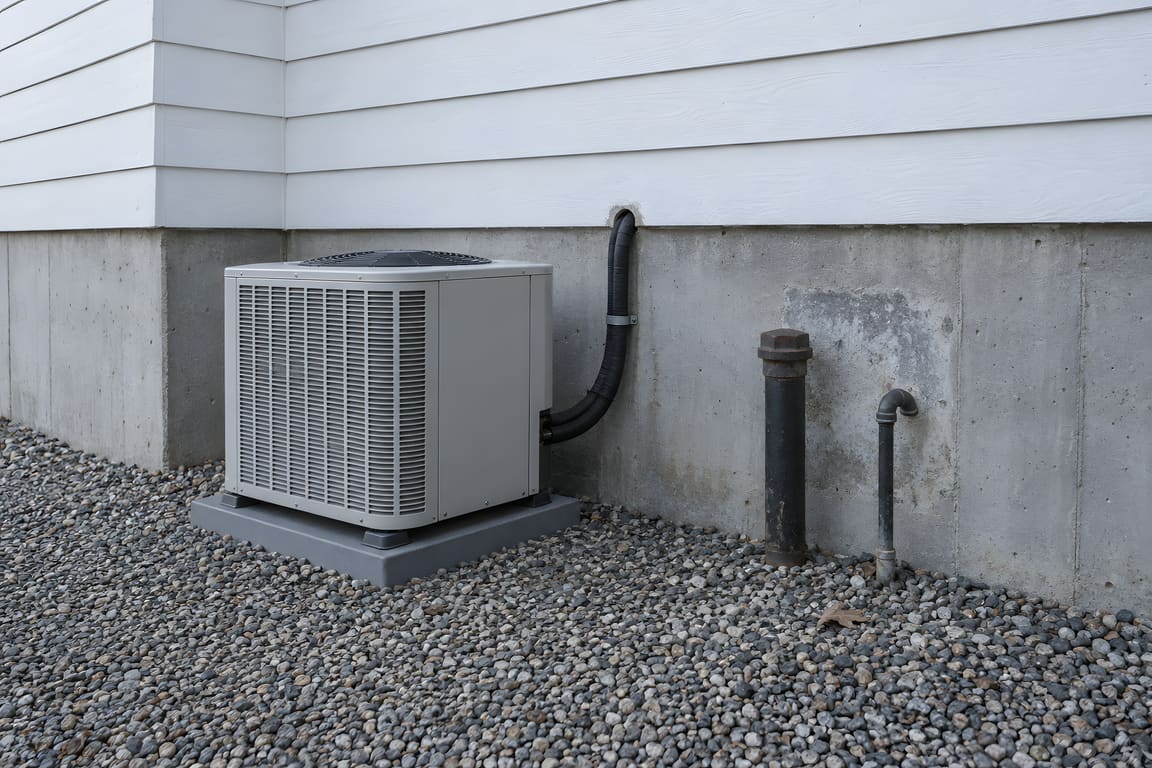
- Keeping it. The Office of Energy Resources says that if you keep your old heating system as a backup, its thermostat should normally be set 5 to 10 degrees lower than the heat pump's, and you can raise it a few degrees in very cold weather to supplement the heat pump. It adds that a contractor can install integrated controls to manage this. ENERGY STAR also describes pairing a heat pump with a gas or oil furnace so you can use each system based on costs and environmental benefits.
- Removing it. The Office of Energy Resources says that when a heat pump fully replaces fossil fuel heating, it eliminates the risk of heating related carbon monoxide leaks and fires. ENERGY STAR notes that a heat pump has no fuel storage and no risk of running out of fuel.
The office suggests starting with a plain question: do you want to completely displace fossil fuels in the house? Its list of questions for a contractor includes how the thermostat controls will be set up and whether they will be integrated with the old fossil fuel system.

The Oil Tank
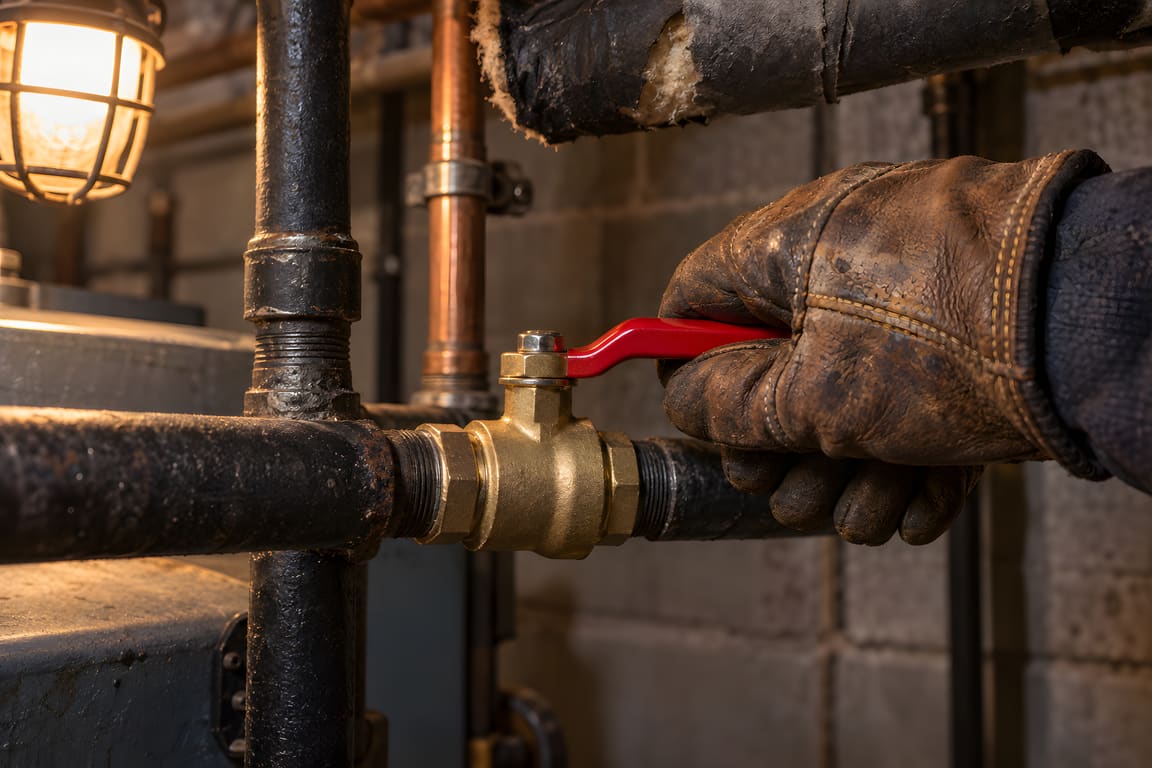
If the oil system stays, the tank and lines stay in use. In a 2018 press release, the Rhode Island Department of Environmental Management (DEM) advised checking the condition of the tank and lines, making sure the fill cap and vent cap are in place and tightly secured, and keeping the fill pipe accessible and visible for the delivery company.
If the oil system goes out of service, ask your installer and your oil company what should happen to the tank and lines, and check with DEM, before you decide.
Where Rebates Fit
Programs, amounts and rules change, and some are written for homes that heat with oil. Check the current details on our rebates page before you sign anything, and ask each contractor which programs they work with.
Questions to Ask Each Contractor
- What types of indoor and outdoor units will you use, where will they go and why?
- Will you calculate the size using Manual J, and will you do a blower door test?
- How will the controls work with the oil system if it stays?
- Do I need an electrical panel upgrade?
- Which incentives are available, and who applies for them?
The first, third and fifth come from the Office of Energy Resources, which also recommends a load calculation and a blower door test. ENERGY STAR's bid checklist asks the Manual J question.
Oil to Heat Pump Questions
Can a heat pump replace oil heat completely?
The Rhode Island Office of Energy Resources says air source heat pumps are now advanced enough to meet all heating and cooling needs, even in New England winters. Some homeowners keep the oil system as a backup anyway. Which fits your house is a decision for the estimate.
Do I have to remove my oil boiler or furnace?
The Office of Energy Resources describes homes that keep the old system as a backup, with its thermostat set lower than the heat pump's. Whether to keep or remove yours is a decision to make with your installer and your oil company.
What happens to the oil tank?
Ask your installer and your oil company what should happen to the tank and lines, and check with DEM before you decide.
Is a mini-split an option if I have radiators or baseboard?
ENERGY STAR lists older homes with radiators or baseboard and no ductwork as a place mini-splits are used, since they need no ducts.
Do I need new ducts to switch from oil?
Not always. If you have ducts in good shape, a ducted heat pump can use them. If you have none, a mini-split needs none.
Heating with oil today? We look at your current system, your layout and your goals at the estimate, then tell you plainly what makes sense. Get a Free Estimate
Housing figures: U.S. Census Bureau, American Community Survey, 2020-2024 estimates.
Sources: Rhode Island Office of Energy Resources, Residential Guide to Air Source Heat Pumps; ENERGY STAR, Air-Source Heat Pumps; ENERGY STAR, Ductless Heating and Cooling; ENERGY STAR, Heating and Air Conditioning Installation Bid Comparison Checklist; Rhode Island Department of Environmental Management, Prevent Home Heating Oil Spills By Properly Maintaining Oil Tanks And Furnaces, press release dated February 27, 2018 (sources checked November 9, 2026).
Related guides: Heat Pump or Furnace for a Rhode Island Home? and Cold Climate Heat Pumps in Rhode Island