 A Rooftop Power Company

Home / Guides / Comparing HVAC Estimates
How to Compare HVAC Estimates
You have two or three quotes for a new heat pump, furnace or air conditioner, and they do not look alike. This guide covers what a written estimate should spell out and the questions ENERGY STAR tells homeowners to ask every contractor, so you can line the quotes up on the same terms.
Start With the Same Job on Every Quote
Estimates are easier to compare when every contractor priced the same job. Before you read any numbers, check that each one covers the same equipment type, such as a ducted heat pump, a ductless mini-split, a furnace or a central air conditioner. If one quote is for a different type, ask that contractor to quote your original request too, or decide first which type you want. Our guides on heat pump or furnace and ducted heat pump or mini-split can help with that decision.
Ask each contractor the questions below.
What a Written Estimate Should Spell Out
A verbal answer is hard to compare later. Ask for the following to be written on the estimate itself, or attached to it.
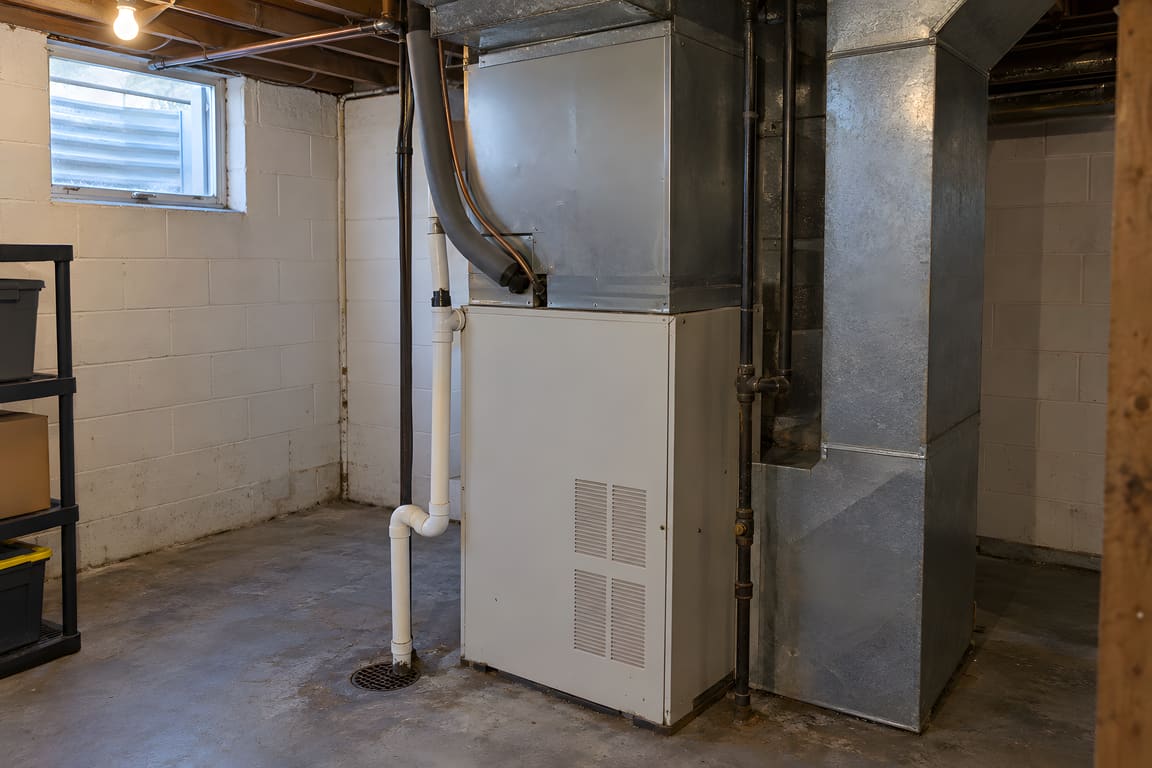
- The equipment. The make and model of each piece, including the indoor and outdoor units for a heat pump or air conditioner. ENERGY STAR's checklist asks whether the contractor offers ENERGY STAR qualified equipment and whether the indoor coil and outdoor unit will be properly matched.
- How the system will be sized. The method, and whether a calculation will be done at your house. More on this below.
- The ductwork plan. If the new system will use your existing ducts, what will be checked, repaired and tested before it goes on them. If you have no ducts, where the lines or ducts will run instead.
- What is included. The checklist names refrigerant lines, a programmable thermostat and zoning as items to ask about. Whatever else the job involves, such as removing the old equipment, belongs on the estimate too.
- What you get afterward. The checklist asks whether the contractor will leave your manuals and documentation of the installation, and whether you can get third-party verification that the system was installed and set up properly.
The Questions ENERGY STAR Says to Ask Every Contractor
ENERGY STAR publishes a Heating & Air Conditioning Installation Bid Comparison Checklist for homeowners who are collecting bids. It tells you to ask the contractors bidding for your business whether they follow ENERGY STAR Quality Installation Guidelines, and then to ask each one a set of questions. Here they are, as ENERGY STAR words them.
Equipment
- Do you offer ENERGY STAR qualified equipment?
- Will you measure my home and calculate the correct size for my equipment using Manual J?
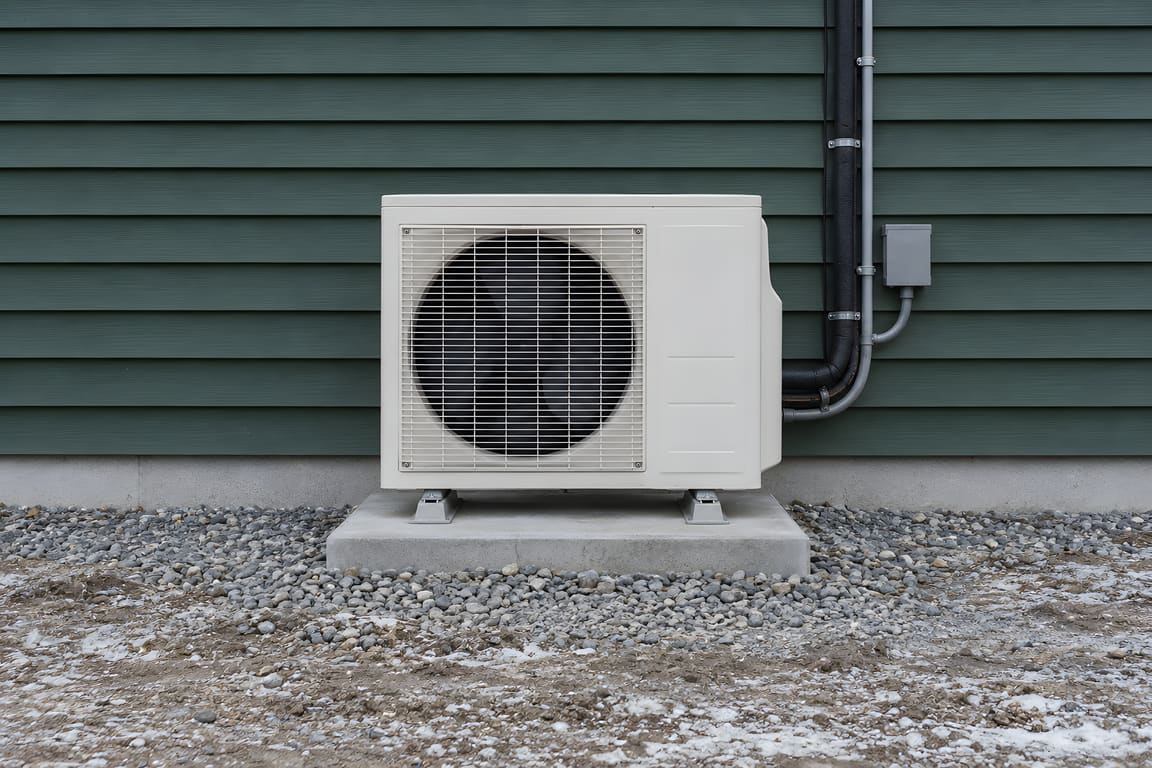
- Will you install a properly matched indoor coil and outdoor unit? (ENERGY STAR marks this one for air conditioners and heat pumps only.)
- Will you test to determine the maximum system size that can be installed with my existing ductwork?
- Will you install new refrigerant lines rather than reusing existing lines?
- Will you install and help me to set up a programmable thermostat (if not already in use)?
- Will you consider if zoning, with separate temperature controls for different areas, would be appropriate for my home?
- Will you provide me with information on any local rebate programs for which I might be eligible?
Ductwork
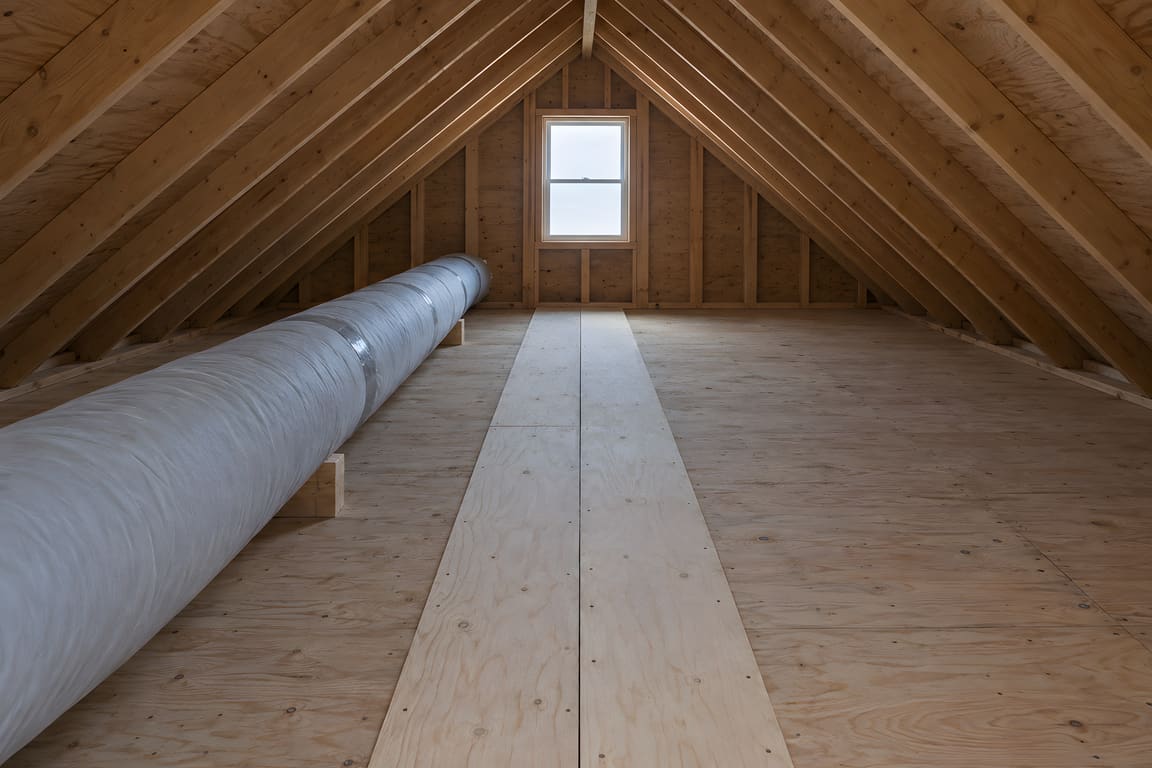
- Will you check for damage to existing ductwork and duct insulation, and make repairs if necessary?
- If insulating ducts, will you seal all duct seams first?
- Will you test to confirm that duct leakage does not exceed recommended levels?
Verification and maintenance
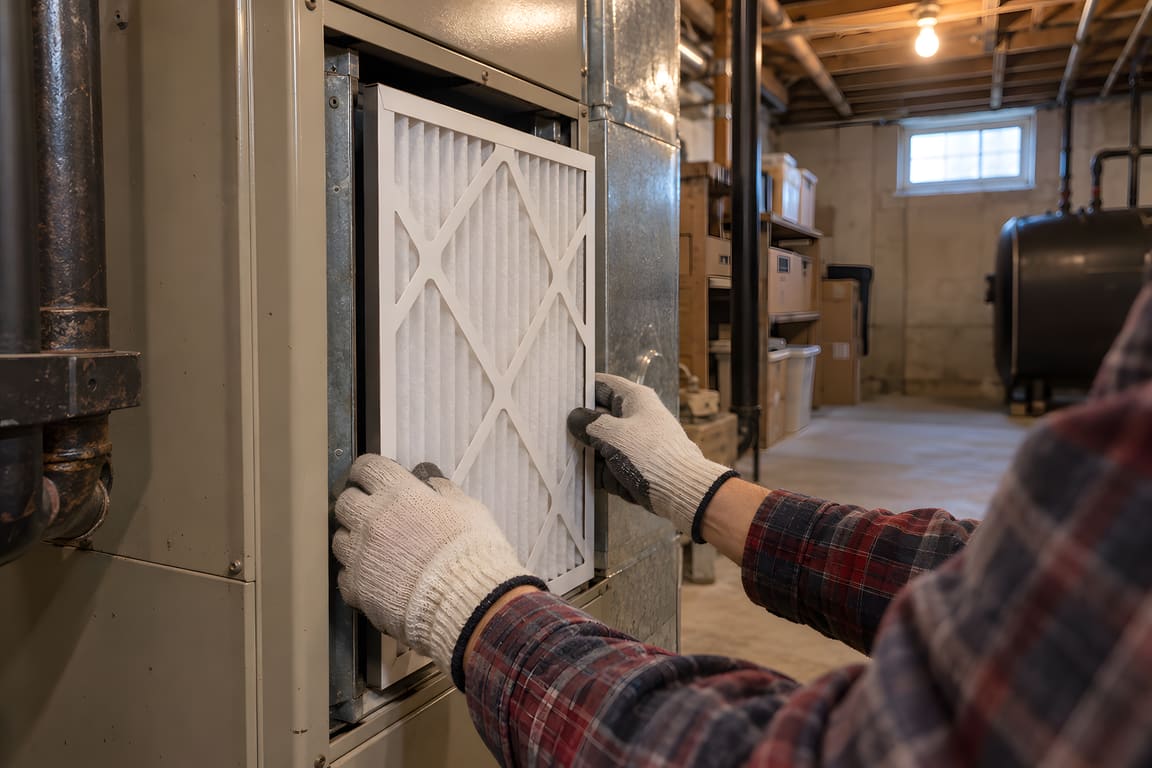
- Will you show me how to replace the air filter(s) in my new system?
- After installation, will you leave all manuals with me and provide documentation of installation procedures, including Manual J calculations, AHRI certificate, and records of any measurements or testing?
- Do you offer third-party verification that my system was properly installed and set up?
- Will you confirm proper levels of refrigerant and airflow across the coil? (ENERGY STAR marks this one for air conditioners and heat pumps only.)
The checklist has a column for each of three contractors, labeled A, B and C, so you can write each answer next to the question. You can find it on ENERGY STAR's site, linked at the bottom of this page.
Sizing and Manual J
ENERGY STAR says proper equipment size is vital for maximizing efficiency and comfort. To size a new system, it says the contractor should calculate your home's heating and cooling loads using the Air Conditioning Contractors of America (ACCA) Manual J or equivalent.
When you compare estimates, look for which method each contractor says they will use, and whether they will give you the calculation afterward. ENERGY STAR's checklist lists Manual J calculations among the documents to ask for.
Why Installation Quality Belongs in the Comparison
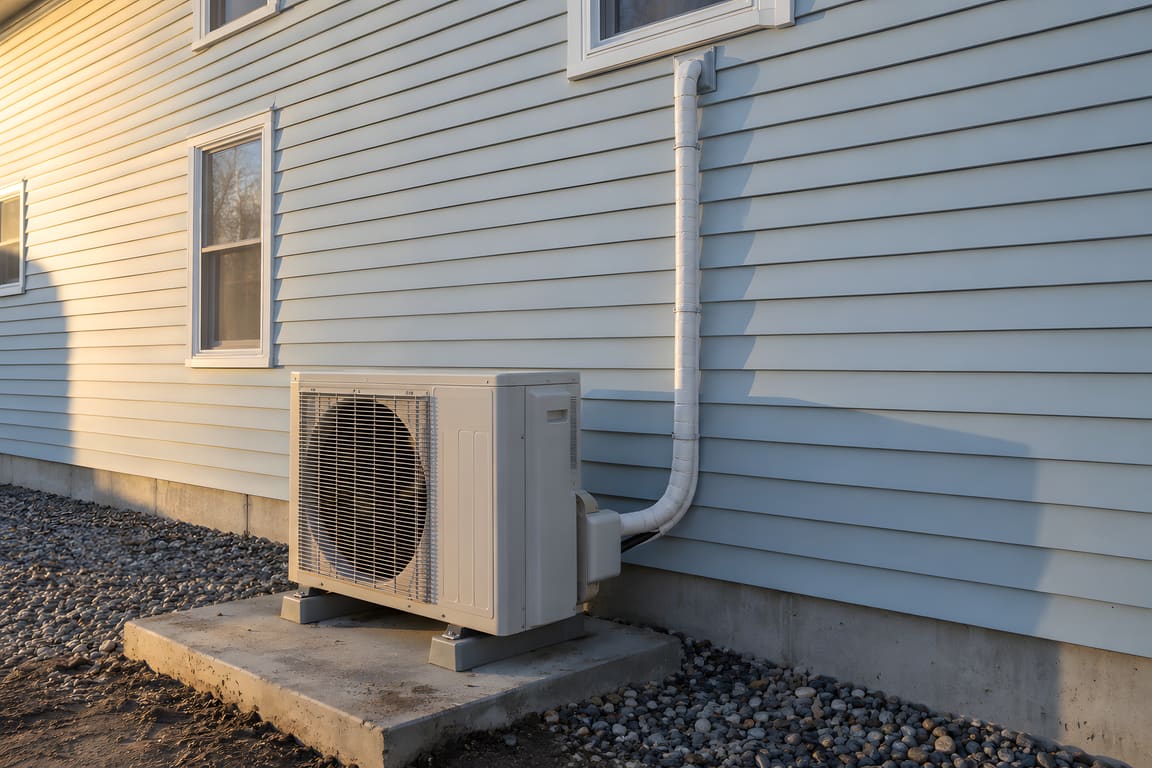
ENERGY STAR says that improper installation can reduce performance by as much as 30%. It adds that this can affect your utility bills and lead to comfort problems, including insufficient dehumidification, dust from leaking ductwork, and poor air distribution.
The questions above on sizing, ducts, refrigerant, airflow and documentation are how you find out what each estimate says about the installation itself.
Comparing Apples to Apples
- Write the contractors' names across the top of a page and the checklist questions down the side.
- Fill in each answer from the written estimate. Where the estimate is silent, mark it blank instead of assuming a yes.
- Ask each contractor to answer the blanks in writing, then fill those in.
- Compare the equipment line by line: same type, comparable capacity, matched indoor and outdoor parts.
- Only then look at the totals, and note which items each total includes. A difference between two totals can come from different equipment, a different sizing method or items that one estimate leaves out.
Rebates and Your Estimate
The checklist asks every contractor whether they will provide information on any local rebate programs for which you might be eligible. Ask all of them, and ask which program names and requirements each estimate assumes. Current programs are on our rebates page. Programs, amounts and eligibility change, so check the details against the program's own rules before you decide.
Related pages: heat pump replacement, furnace replacement and AC replacement.
Estimate Comparison Questions
How many estimates should I get?
That is up to you. ENERGY STAR's bid checklist has columns for three contractors, labeled A, B and C, which is a convenient layout for writing answers side by side. Whatever the number, ask each contractor the same questions.
What should a written HVAC estimate include?
At a minimum, the equipment, the sizing method, the ductwork plan and the items included in the job. ENERGY STAR's checklist names refrigerant lines, a thermostat, zoning, duct checks and installation documentation as things to ask about, so look for them on the estimate or ask for them in writing.
What is a Manual J calculation, and should I ask for it?
It is a method from the Air Conditioning Contractors of America for calculating your home's heating and cooling loads. ENERGY STAR says the contractor should use it or an equivalent to size your system, and its checklist asks whether the contractor will measure your home and calculate the size using Manual J.
Should a contractor test my ducts?
ENERGY STAR's checklist asks every contractor whether they will check existing ductwork and duct insulation for damage and make repairs if necessary, and whether they will test to confirm that duct leakage does not exceed recommended levels. If your new system will use your existing ducts, put both questions to each contractor.
What if a contractor will not answer the checklist questions?
Ask for the answers on the written estimate, since a written answer is easier to compare later. If a question does not apply to your job, such as the matched indoor coil question for a furnace, the contractor can say so in writing.
Want another estimate to compare? We look at your current system, your layout and your goals, then tell you plainly whether it makes sense. Get a Free Estimate
Sources: ENERGY STAR, Heating & Air Conditioning Installation Bid Comparison Checklist (checked November 10, 2026).
Related guides: Ducted Heat Pump or Ductless Mini-Split? and Heat Pump or Furnace for a Rhode Island Home?