 A Rooftop Power Company

Home / Guides / Dual Fuel Heat Pump
Dual Fuel Heat Pump: Is It Right for Your Rhode Island Home?
A dual fuel system pairs a heat pump with a gas or oil furnace, so the house can heat with either one. If your home already has ducts and a furnace that still works, it is one of the ways to add a heat pump without taking the furnace out. This guide covers how the two systems share the job, when the setup fits, and what to ask before you agree to it.
What Dual Fuel Means
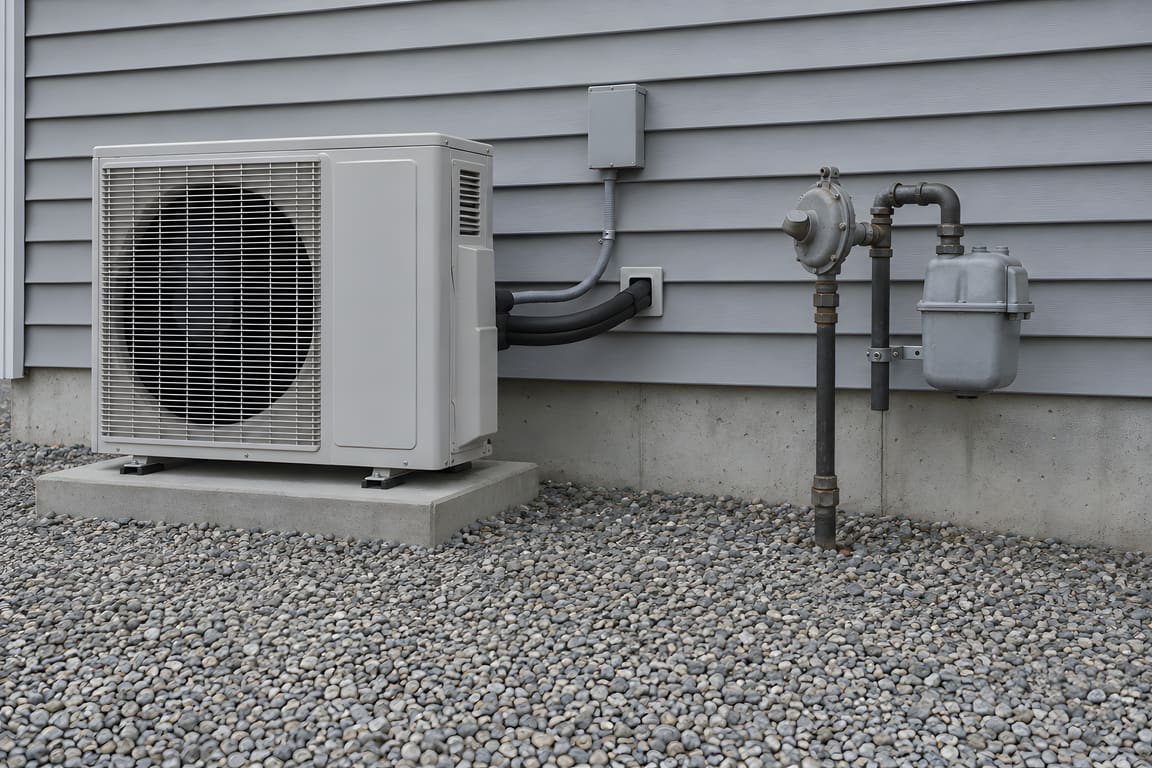
ENERGY STAR describes dual fuel systems as allowing the flexibility of heating with a heat pump or with a more traditional gas or oil furnace, and using each system based on costs and environmental benefits. The heat pump is the electric half. The furnace is the half that burns fuel.
ENERGY STAR also names one starting point: a relatively new furnace paired with an older central air conditioner. Replacing the air conditioner with an ENERGY STAR certified heat pump creates the dual fuel setup. ENERGY STAR says a central heat pump can use the ductwork already in the home. Because a heat pump also cools, it takes over the air conditioner's summer job.
How the Switchover Works
Two heat sources need a rule for which one runs. The Rhode Island Office of Energy Resources describes two ways to set that rule:
- Two thermostat settings. If the old heating system stays as a backup, the Office of Energy Resources says its thermostat should normally sit 5 to 10 degrees lower than the heat pump's setting. On very cold days you can raise the backup setting a few degrees to supplement the heat pump.
- Integrated controls. The Office of Energy Resources says your contractor can also install integrated controls that manage this for you.
The Office of Energy Resources lists "How will the thermostat controls be set up and will they be integrated with an old fossil fuel system in the house?" among the questions to put to a contractor. The two options above differ in how much of the switching you handle yourself.
Where Cold Weather Fits
ENERGY STAR says a cold climate heat pump is tested down to 5°F and keeps working below that, and that pairing it with a backup energy source heats the home most efficiently when temperatures are lower still. It adds that a good contractor will work with you on the size and the integration of the backup. The Rhode Island Office of Energy Resources, for its part, says modern cold climate heat pumps are more than capable of heating a home on very cold Rhode Island winter days. Whether a furnace stays as backup is a choice to make for your own house. For the wider cold-weather picture, see cold climate heat pumps in Rhode Island.
ENERGY STAR also says that if you have both a heat pump and a furnace or boiler, you should use the heat pump year-round, since it is more energy-efficient than either of them even in winter. That sits alongside its dual fuel description, which lets you use each system based on cost and environmental benefit, so ask how your contractor would set the priority.

When Dual Fuel Makes Sense
The setup fits well when several things are already true:
- You have ducts you trust. ENERGY STAR says a central heat pump can use pre-existing ductwork to deliver heating and cooling. ENERGY STAR's bid checklist suggests asking whether the contractor will check existing ducts for damage and leaks, and make repairs if necessary.
- Your furnace is not old. ENERGY STAR lists a furnace or boiler more than 15 years old as one sign it may be time to compare replacements. A furnace near that age is a different decision, covered in furnace replacement.
- You want a second heat source for the coldest days. Both ENERGY STAR and the Office of Energy Resources describe keeping a backup heating system alongside a heat pump.
When Another Route May Fit Better
ENERGY STAR lists some benefits that belong to heat pumps specifically: no combustion, so no direct emissions of nitrogen oxides, carbon dioxide or carbon monoxide from the heat pump, and no fuel storage or risk of running out of fuel. A house that keeps its furnace keeps the flue and the fuel supply that come with it. The Office of Energy Resources suggests asking yourself whether you want to completely displace fossil fuels and make your whole home heating and cooling electric. If the answer is yes, a dual fuel system keeps part of the old setup in place, so compare it with a heat pump alone. Our heat pump or furnace guide walks through that comparison, and the heat pump page explains the equipment.
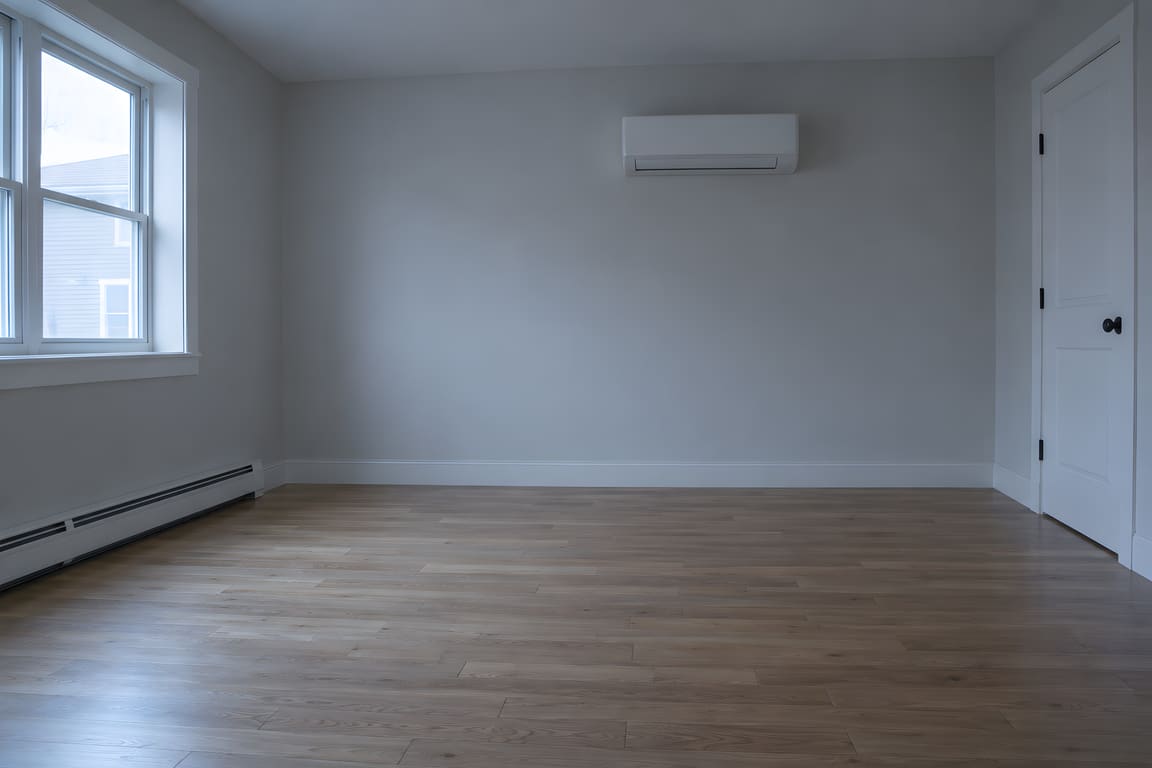
If the house has no ducts, a dual fuel system built on ducts is not the starting point. See ductless mini-splits and our guide to ducted heat pumps and mini-splits.
Questions to Ask Before You Agree
- How will the controls decide between the heat pump and the furnace, and can I change that rule later? (The Office of Energy Resources lists the control question.)
- How will you size the heat pump? ENERGY STAR says the contractor should calculate your home's heating and cooling loads using ACCA Manual J or equivalent.
- Will you check my existing ducts for damage and leaks first? This comes from the ENERGY STAR bid checklist.
- What are you assuming about my furnace: its age, its condition and how long you expect it to last?
- Which rebates might apply, and who applies for them? The Office of Energy Resources and the ENERGY STAR checklist both list this. Current programs are on our rebates page.
ENERGY STAR notes that improper installation can reduce a system's performance by as much as 30%, which is why the sizing and duct questions come before the equipment.
Dual Fuel Questions
Can I add a heat pump to the furnace I already have?
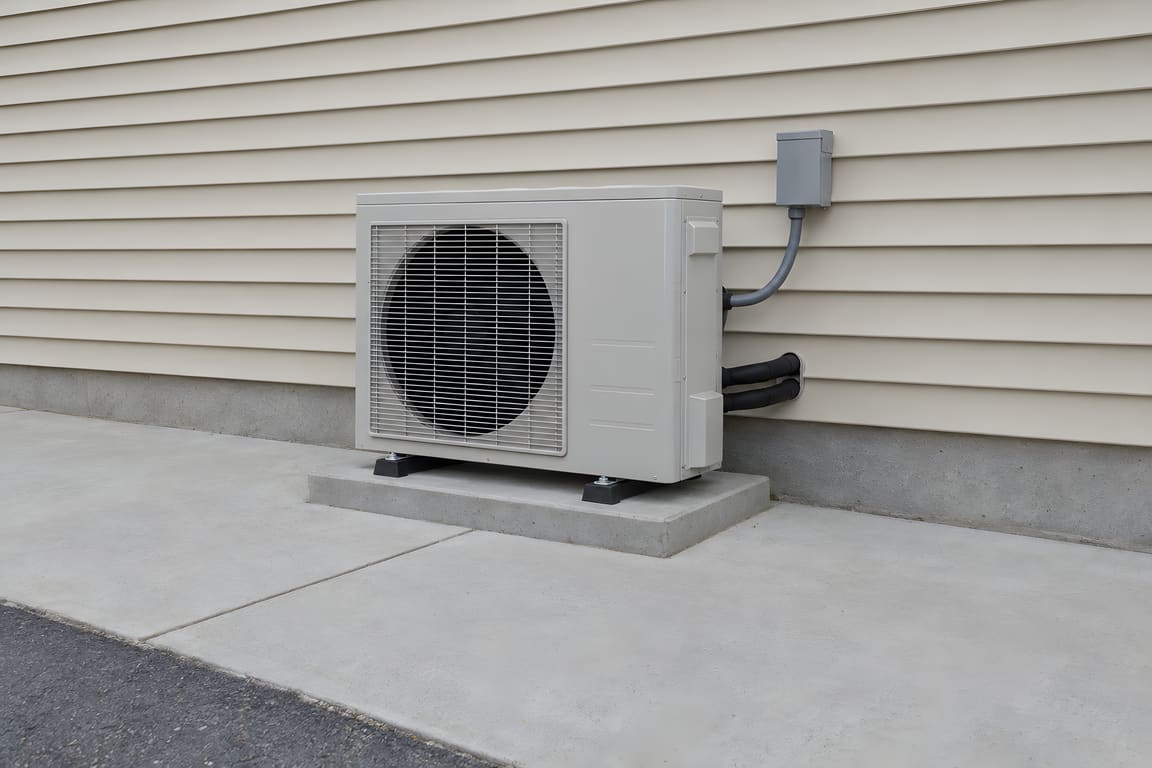
It can be, when the home has ducts. ENERGY STAR says a central heat pump can use existing ductwork, and that pairing one with a furnace creates a dual fuel system. Whether your particular furnace and ducts suit it depends on the house.
Do I need two thermostats?
Not necessarily. The Rhode Island Office of Energy Resources describes setting the backup system's thermostat 5 to 10 degrees below the heat pump's, and it also says a contractor can install integrated controls that handle the switching. Ask which one is being quoted.
At what temperature does the furnace take over?
That depends on how the controls are set up and on the heat pump chosen. ENERGY STAR says cold climate heat pumps that carry its label are tested down to 5°F and keep working below it, and that a backup source heats the home most efficiently at lower temperatures still. Your contractor should explain the plan for your house.
Do I still need a separate air conditioner?
No. A heat pump cools in summer by pulling heat out of the home, so it takes the place of the central air conditioner.
Is it worth keeping an older furnace as backup?
It depends on the furnace. ENERGY STAR lists an age over 15 years as one sign to compare replacements, and the Office of Energy Resources describes keeping an old heating system as backup. See furnace replacement for what to look at.
Thinking about keeping your furnace? We look at your current system, your layout and your goals, then tell you plainly whether it makes sense. Get a Free Estimate
Sources: ENERGY STAR, Air-Source Heat Pumps; ENERGY STAR, When Is It Time to Replace; ENERGY STAR, Heating and Air Conditioning Installation Bid Comparison Checklist; Rhode Island Office of Energy Resources, Residential Guide to Air Source Heat Pumps (checked November 9, 2026).
Related guides: Heat Pump or Furnace for a Rhode Island Home? and Ducted Heat Pump or Ductless Mini-Split?