 A Rooftop Power Company

Home / HVAC in Richmond, RI
Heating and Cooling Houses in Richmond, Rhode Island
Oil heats about seven in ten Richmond homes, and propane heats about 16%. For a house with no gas line, the question is what to put in when the current system ends.
Oil and Propane Heat Most Richmond Homes
In a town of roughly 3,000 households, about 71% heat with fuel oil and about 16% with propane. Together they cover most homes. Wood heats about 6%.
About 97% of Richmond households own their home, and about 85% of homes are single-family detached houses. The typical house here was built around 1985. Start with heating or cooling.
Equipment in Houses Built Around 1985
Equipment in a house of that age may have been replaced since it was built. ENERGY STAR lists a furnace or boiler more than 15 years old as one sign to consider replacing it, and a heat pump or air conditioner more than 10 years old as another. It also lists frequent repairs with rising energy bills, and rooms that are too hot or too cold.
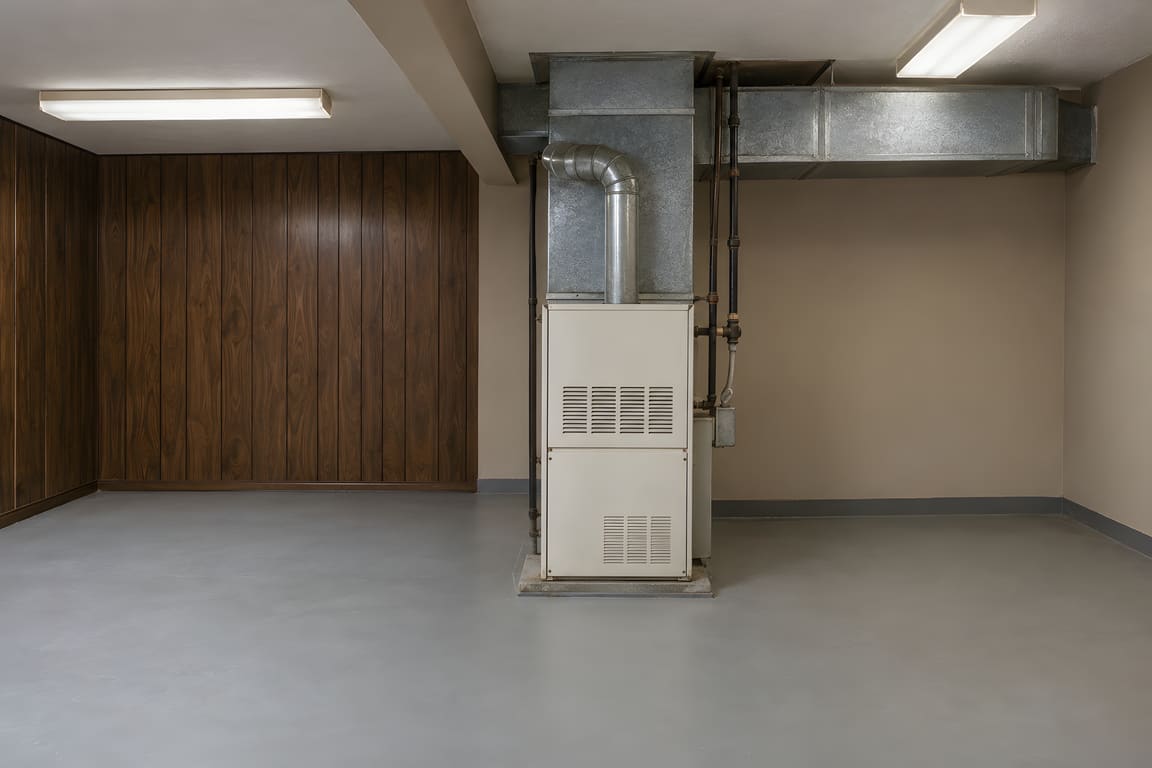
Repair can be the right call for a failed part on a system that is otherwise in good shape. See furnace repair, furnace replacement and boiler repair and replacement.
If Your House Is Not on a Gas Line
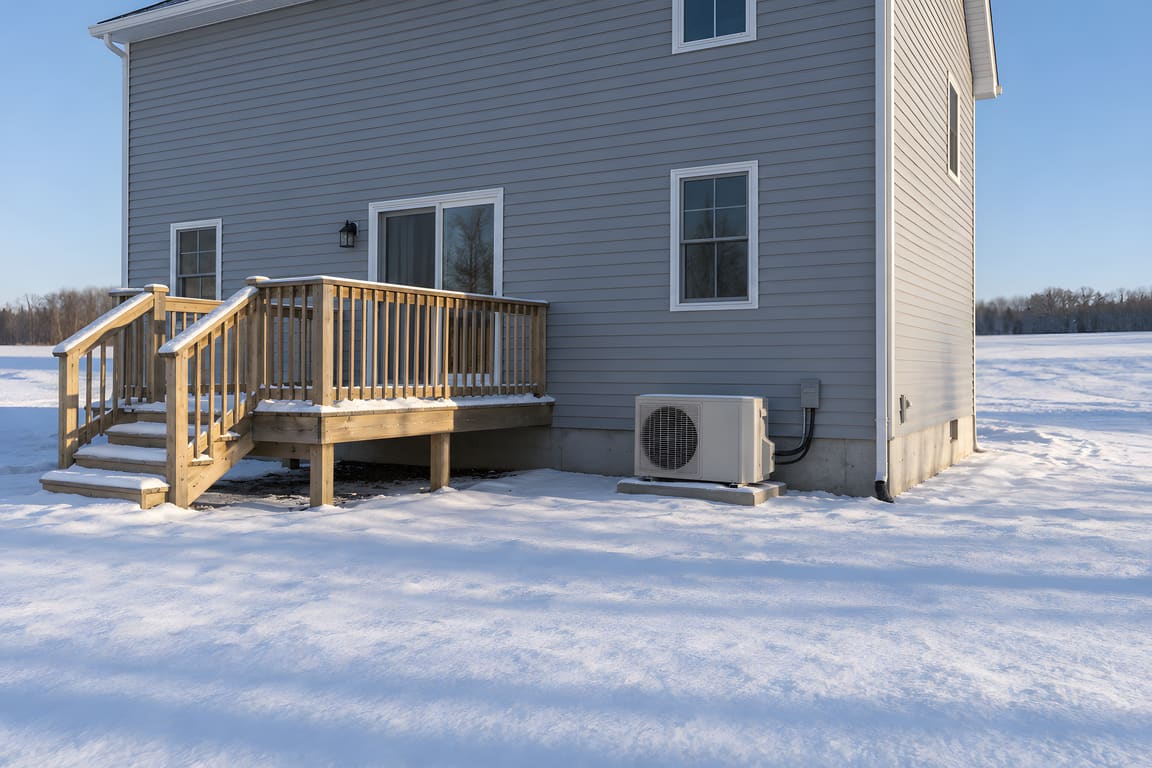
A heat pump moves heat rather than converting it from fuel, so it does not depend on a gas line. It heats in winter and cools in summer. Whether to keep replacing oil or propane equipment or move to a heat pump is a choice to weigh, and the answer depends on the house.
Our guide on switching from oil heat to a heat pump lists what to check first. Cold climate heat pumps in Rhode Island covers winter performance. See also heat pump replacement.
Adding Cooling to a Detached House
A house that already has ducts can often take a ducted system, whether a central air conditioner or a ducted heat pump. ENERGY STAR's bid checklist suggests asking any contractor whether the existing ducts will be checked for damage and repaired if necessary, and whether the contractor will test that duct leakage does not exceed recommended levels. It also says the contractor should size the system with a Manual J load calculation or equivalent.

Rooms added or finished later may be harder to reach with ducts. ENERGY STAR lists additions where extending ductwork or heating and cooling capacity is difficult as a good fit for a mini-split. See central air conditioning, ductless mini-splits and ducted heat pump or mini-split.
Getting an Estimate in Richmond
RTP HVAC is based in Warwick, RI, and serves Richmond along with the rest of Rhode Island and Massachusetts. Estimates are free and come with no obligation. The rebates page lists the current programs.
Request an estimate or call (401) 593-3983.
Housing figures: U.S. Census Bureau, American Community Survey, 2020-2024 estimates.
Richmond FAQs
Do heat pumps work in Rhode Island winters?
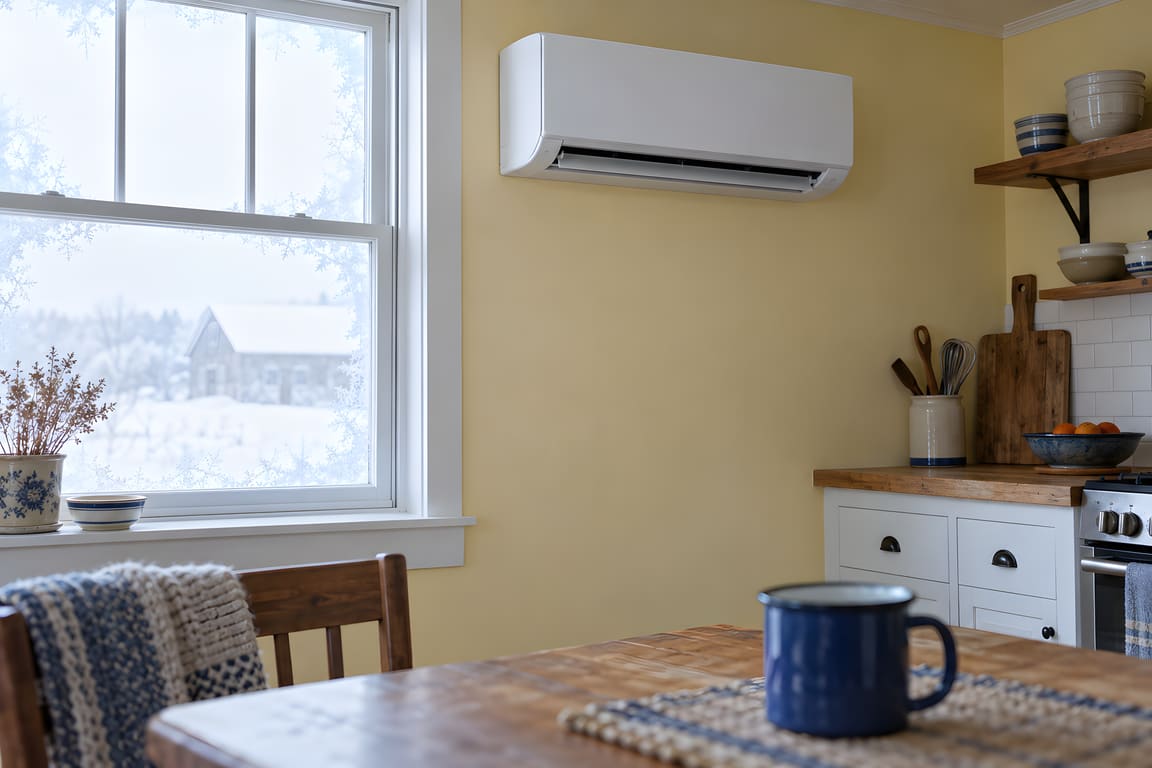
For cold climate air-source heat pumps, ENERGY STAR says testing includes third-party verified performance down to 5°F. Our cold climate guide covers what that means for a home.
What heats most homes in Richmond?
Oil heats about 71% of homes and propane about 16%. Wood heats about 6%.
How is a heat pump sized for a house?
ENERGY STAR says the contractor should calculate the home's heating and cooling loads using ACCA Manual J or equivalent. Proper equipment size is vital for efficiency and comfort. Ask each contractor how they will size the system.
Can I add air conditioning to a house heated with oil?
That depends on the ducts. A house with ducts can take a ducted system, and one without can use a mini-split. A heat pump covers heating and cooling together.
Does RTP HVAC serve Richmond?
Yes. RTP HVAC is based in Warwick, RI, and serves all of Rhode Island and Massachusetts, Richmond included. Request an estimate or call (401) 593-3983.
Get a Free Estimate
Tell us what is going on with your system. We will get back to you with next steps.