 A Rooftop Power Company

Home / Guides / How Long Do Heat Pumps Last
How Long Do Heat Pumps Last?
Your heat pump is getting older and you want to know how much time it has. This guide gives the lifetime figures the U.S. Department of Energy publishes, what that agency says can shorten a heat pump's life, and how to think about repair or replacement. It is written for owners of ducted heat pumps and mini-splits in Rhode Island and Massachusetts.
How Long Does a Heat Pump Last?
In its Take Five training for federal buyers, the U.S. Department of Energy's Federal Energy Management Program describes a 10 to 20 year lifetime for a heat pump. That range is wide, so age alone says little. How the heat pump was installed, how it runs now and what it needs next tell you more.
The same program uses an average life of 15 years for a residential air-source heat pump when it compares models. That figure is an assumption in its comparison tables, not a date for your unit.
Ducted Heat Pumps and Mini-Splits
ENERGY STAR's page on air-source heat pumps has a section called "Ducted vs. Mini Split Systems." It says ducted systems can be installed and connected to forced-air ductwork and that "Mini Split Heat Pumps, also called Ductless Heat Pumps, do not need ductwork in order to be installed." The two DOE pages quoted here speak of heat pumps and air-source heat pumps. They do not give one figure for ducted units and another for ductless units.
What Can Shorten a Heat Pump's Life
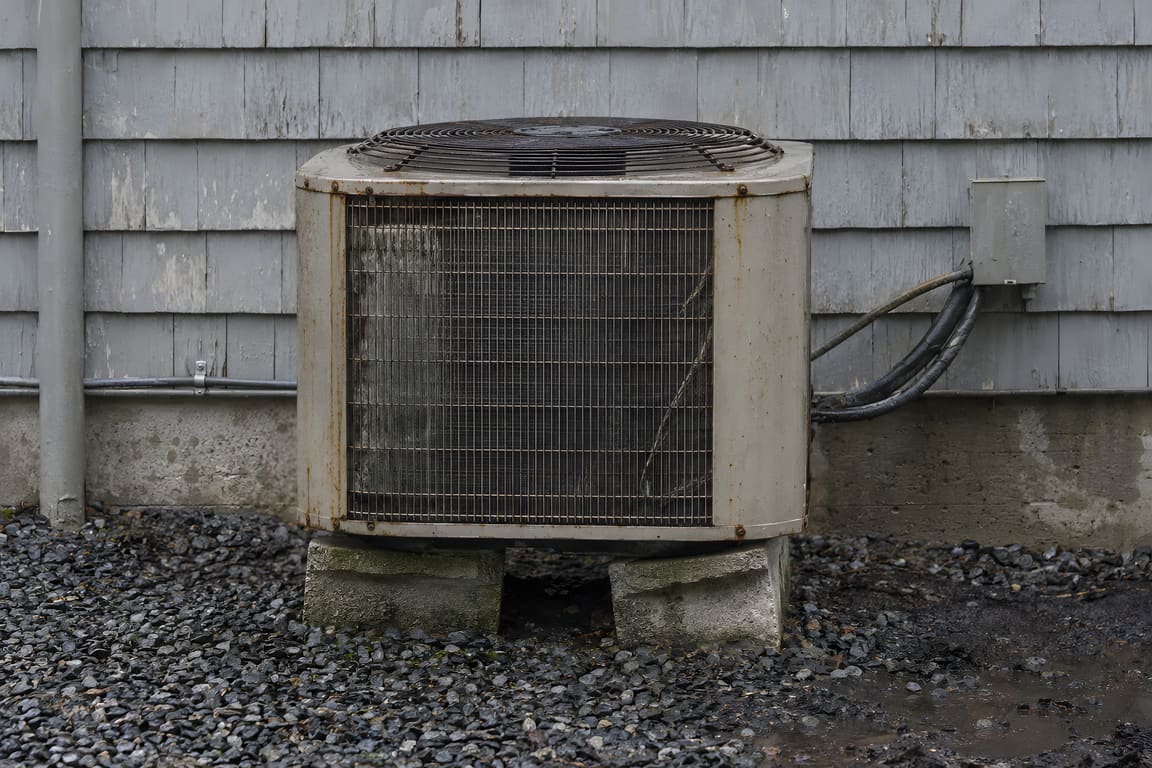
The Federal Energy Management Program's page on residential air-source heat pumps says: "Installation problems like oversizing, improper charging, and leaky ducts result in efficiency losses, occupant discomfort, and shortened equipment life."
That gives three things worth asking about on any installation, whether it is the one you already have or a new one you are pricing.
- Size. ENERGY STAR says proper equipment size is vital for maximizing efficiency and comfort, and that the contractor should calculate your home's heating and cooling loads using the Air Conditioning Contractors of America (ACCA) Manual J or equivalent.
- Refrigerant charge. ENERGY STAR's bid checklist asks contractors, "Will you confirm proper levels of refrigerant and airflow across the coil?"
- Ducts. The same checklist asks, "Will you check for damage to existing ductwork and duct insulation, and make repairs if necessary?" and "Will you test to confirm that duct leakage does not exceed recommended levels?"
If you are comparing contractors, our guide to comparing HVAC estimates lists ENERGY STAR's full set of questions.
Upkeep and Service
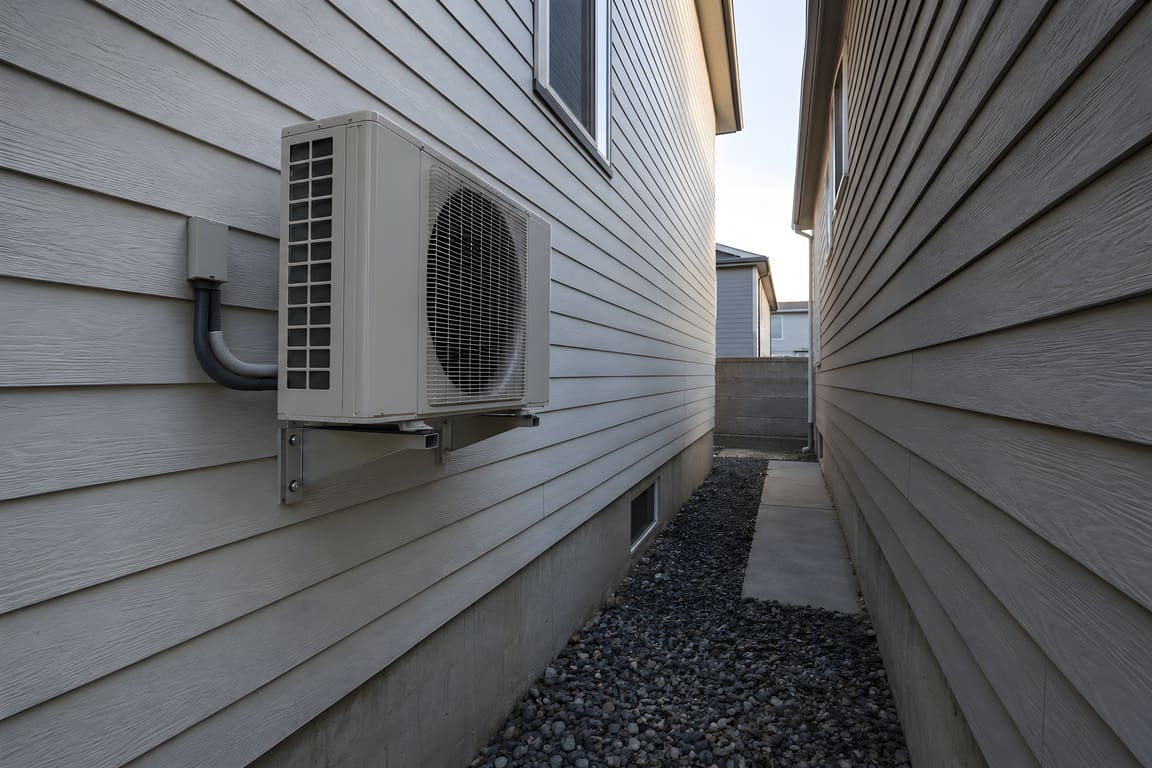
Two government pages mention upkeep, and both tie it to performance and avoiding problems. The Federal Energy Management Program says, "Regular maintenance (e.g., charging refrigerant and replacing filters) is necessary to maintain peak performance." ENERGY STAR's air-source heat pump page says, "Consider regular maintenance of your heating and cooling system to prevent future problems and unwanted costs."
Neither sentence puts a number of years on what upkeep adds. For what a service visit covers on ducted and ductless units, see heat pump repair and service.
Signs a Heat Pump May Be Near the End
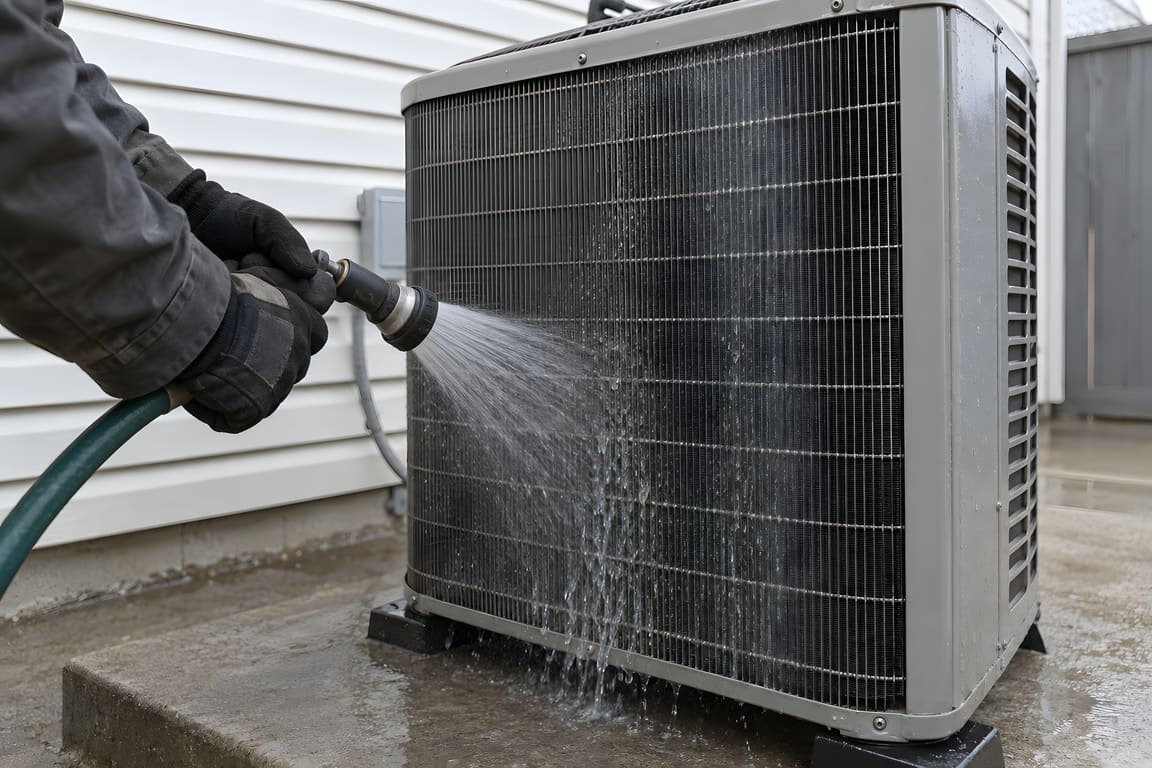
ENERGY STAR says, "It may be time to call a professional contractor to help you make a change if: Your heat pump or air conditioner is more than 10 years old." Its list of signs also includes equipment that needs frequent repairs while energy bills go up, rooms that are too hot or too cold, and a noisy system.
Ten years is where the Department of Energy's range begins, so a heat pump at that age is at the start of that range, not past it. ENERGY STAR lists the age as one of several signs. Several signs together make a stronger case than one.
Repair, Replace or Wait
Write down the age of the unit, what repairs it has had and what is bothering you now. With those in hand you can ask for the repair and a replacement priced side by side. Our page on heat pump replacement covers what to settle before a new unit goes in, and mini-split replacement does the same for ductless systems. We serve all of Rhode Island and Massachusetts.
Heat Pump Lifespan Questions
How long do heat pumps last?
The U.S. Department of Energy's Federal Energy Management Program describes a 10 to 20 year lifetime for a heat pump. It also uses an average life of 15 years for a residential air-source heat pump when it compares models. Both are general figures, so they do not predict how long a particular unit will run.
Does a mini-split last as long as a ducted heat pump?
The Department of Energy pages cited here speak of heat pumps and air-source heat pumps, and they do not give separate figures for ductless units. ENERGY STAR covers ducted systems and mini split heat pumps on the same air-source heat pump page.
Is a 10-year-old heat pump at the end of its life?
Not necessarily. ENERGY STAR lists a heat pump more than 10 years old as one reason it may be time to call a professional contractor, and the Department of Energy's 10 to 20 year range begins at that age. Repairs, rising energy bills, uncomfortable rooms and noise are also worth weighing.
Can a poor installation shorten a heat pump's life?
The Federal Energy Management Program says installation problems like oversizing, improper charging and leaky ducts result in efficiency losses, occupant discomfort and shortened equipment life. ENERGY STAR's bid checklist has questions on sizing, refrigerant and ducts that you can put to any contractor.
Does maintenance make a heat pump last longer?
The government pages cited here link maintenance to peak performance and to preventing future problems and unwanted costs. They do not say how many years it adds. Our heat pump service page lists what a visit covers.
Wondering where your heat pump stands? We look at your current system, your layout and your goals, then tell you plainly whether it makes sense. Get a Free Estimate
Sources: U.S. Department of Energy, Federal Energy Management Program, Take Five: Buying a Heat Pump and Purchasing Energy-Efficient Residential Air-Source Heat Pumps; ENERGY STAR, Air Source Heat Pumps, When Is It Time to Replace? and the Heating & Air Conditioning Installation Bid Comparison Checklist (checked November 11, 2026).
Related guides: Ducted Heat Pump or Ductless Mini-Split? and How to Compare HVAC Estimates