 A Rooftop Power Company

Home / Guides / Heat Pump or Air Conditioner
Heat Pump or Air Conditioner for Your Next Cooling System?
You are replacing central air, or adding cooling, and a heat pump keeps coming up. This guide compares a heat pump with a straight air conditioner for a Rhode Island or Massachusetts home: what each one does, when an air conditioner still fits, what changes in winter and what to ask.
Heat Pump or Air Conditioner: The Short Answer
A central air conditioner cools only. ENERGY STAR says it may be helpful to think of a ducted heat pump as a central air conditioner that also works in reverse for winter heating. If you only want cooling and are happy with your heat, a straight air conditioner can fit. For one system in both seasons, price a heat pump.
How a Heat Pump and an Air Conditioner Compare
Both pull heat out of your home in summer. ENERGY STAR says an air-source heat pump does that in the summer and, in winter, extracts heat from outside into your home. An air conditioner has no heating mode, so your heat stays a separate system.
- Cooling. Both cool your home.
- Heating. A heat pump also heats. With a central air conditioner, a furnace, boiler or other heat source keeps that job.
- Ducts. ENERGY STAR says a central heat pump can use the pre-existing ductwork in your home, and that in most zones a heat pump can be installed as a drop-in replacement when either a central air conditioner or a furnace needs replacement.
- How it makes heat. ENERGY STAR says that because heat pumps move heat rather than converting it from fuel, as combustion heating systems do, an air-source heat pump can deliver up to three times more heat energy to a home than the electrical energy it consumes.
That "up to" figure compares heat delivered with electricity used. It does not tell you what your own bills will do.
When a Straight Air Conditioner Still Makes Sense
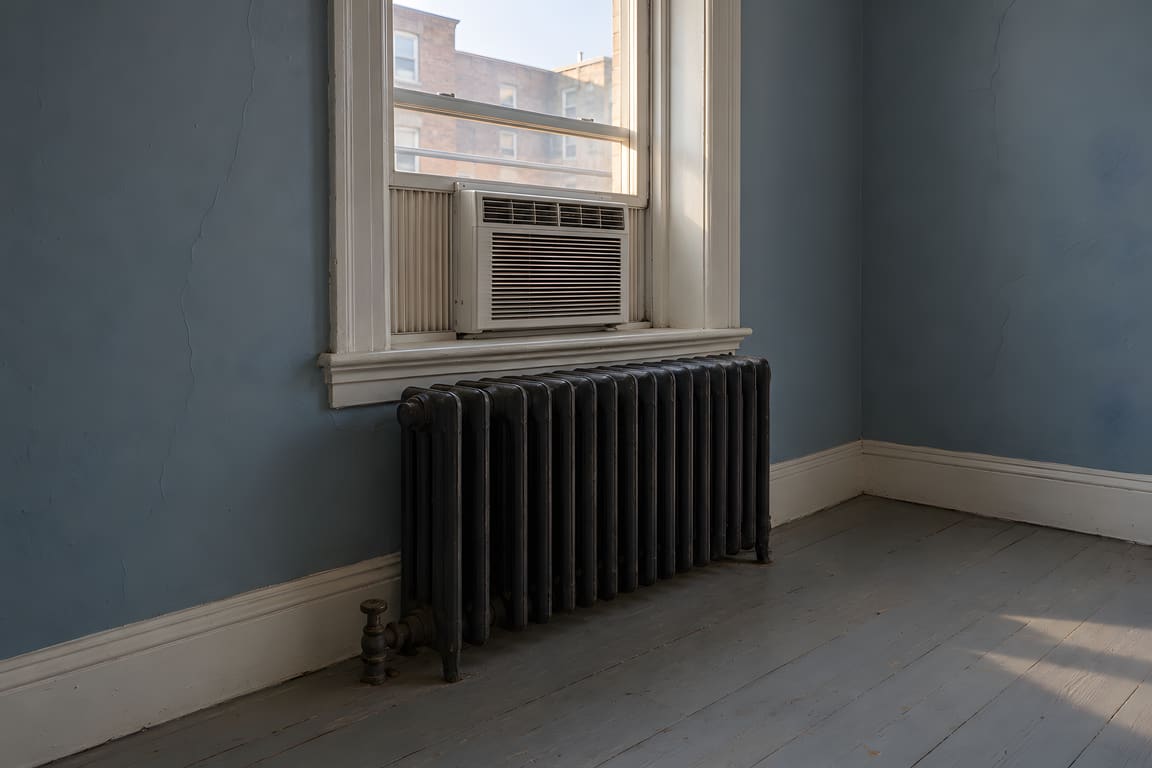
A heat pump adds heating. If you do not need that, central air alone can be the right match in this case.
- You want cooling and are happy with your heat. A furnace or boiler that heats the house well already does that job. ENERGY STAR lists a furnace or boiler more than 15 years old as one sign it may be time to compare replacements, so check the age of your heating equipment before you decide.
If your furnace is fairly new, an air conditioner is one option and a heat pump is another. The dual fuel section below covers that case.
What Changes in Winter
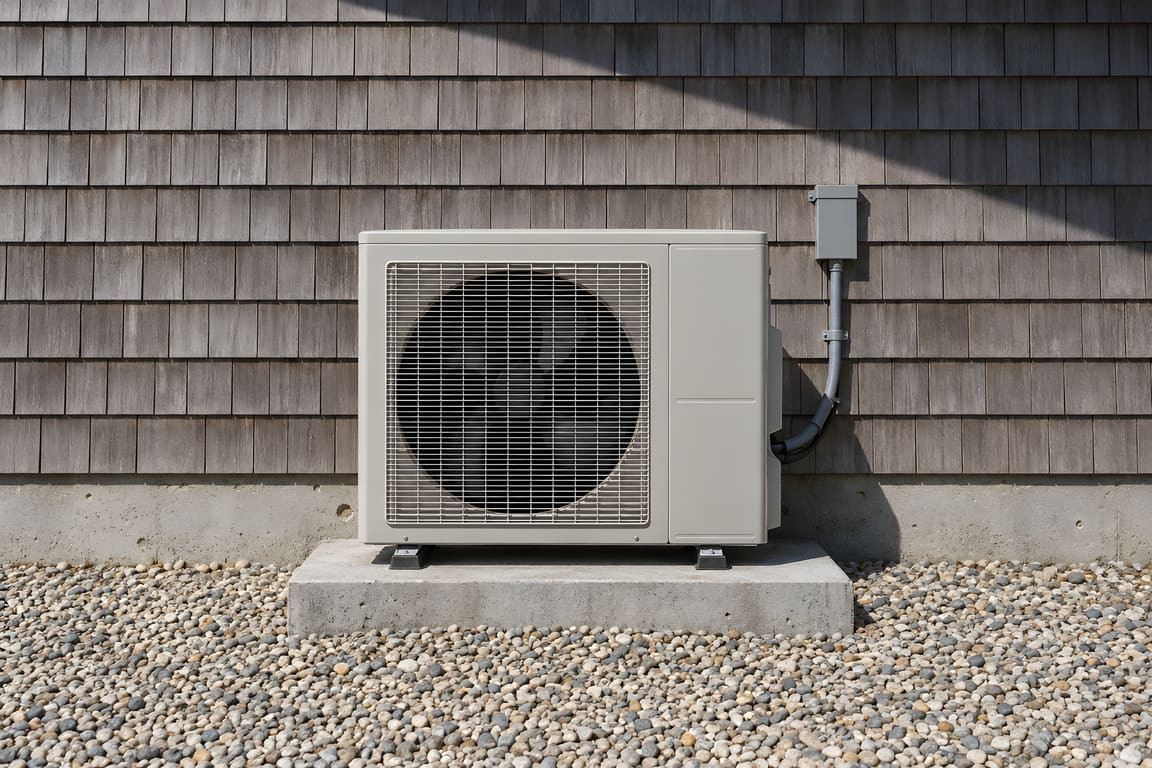
A straight air conditioner has no heating mode, so winter performance never enters the choice. A heat pump becomes your heating system, or part of it, so cold-weather performance does.
ENERGY STAR says that if you live where winter temperatures regularly dip below freezing, you should talk to your contractor to choose an ENERGY STAR unit suited to your particular home. For ENERGY STAR cold climate heat pumps, low-temperature performance is third-party verified, with testing down to 5°F. ENERGY STAR adds that a cold climate heat pump will continue working at temperatures below 5°F, and that pairing it with a back-up energy source will heat your home the most efficiently when temperatures are even lower. For more, see our guide to cold climate heat pumps.
Daily use changes a little too. ENERGY STAR says that, unlike a furnace or boiler, a heat pump does not save energy by being turned down when you are away or asleep, and it recommends picking a comfortable temperature and leaving it there. It also says to set the heat pump to "heat" or "cool" and avoid Auto mode, so the system does not switch modes on unseasonably warm or cold days.
Ducts Still Decide a Lot
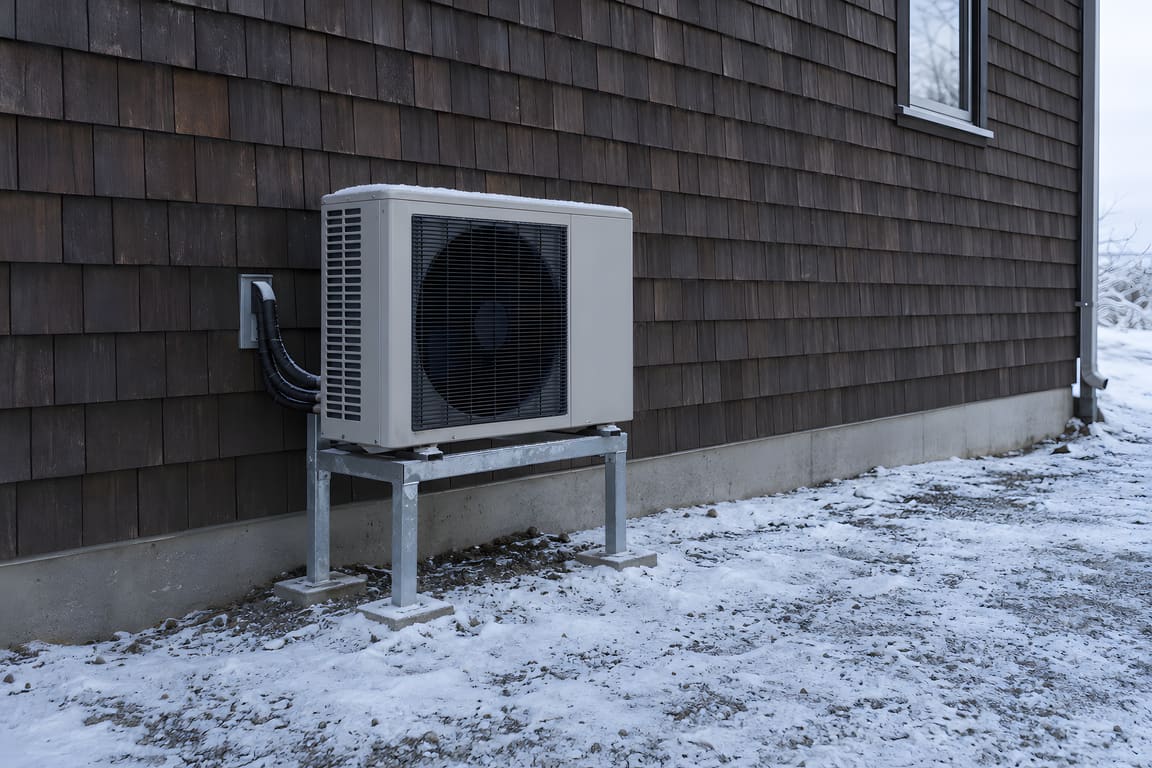
A ducted heat pump and a central air conditioner both need ducts to carry the air. Good ducts keep both open. Our AC replacement page calls central air again a common fit when the existing ducts are in good shape, and our heat pump replacement page says "If your home has ducts in good shape, a ducted unit is a common fit." More on central air is on the central air conditioning page. ENERGY STAR lists older homes with no existing ductwork, such as homes with radiators or baseboard heat that have never had central air conditioning, among the good fits for ductless systems. If that sounds like your house, read Ductless Mini-Split or Central AC for an Older Home? and Ducted Heat Pump or Ductless Mini-Split?
The Middle Route: Dual Fuel
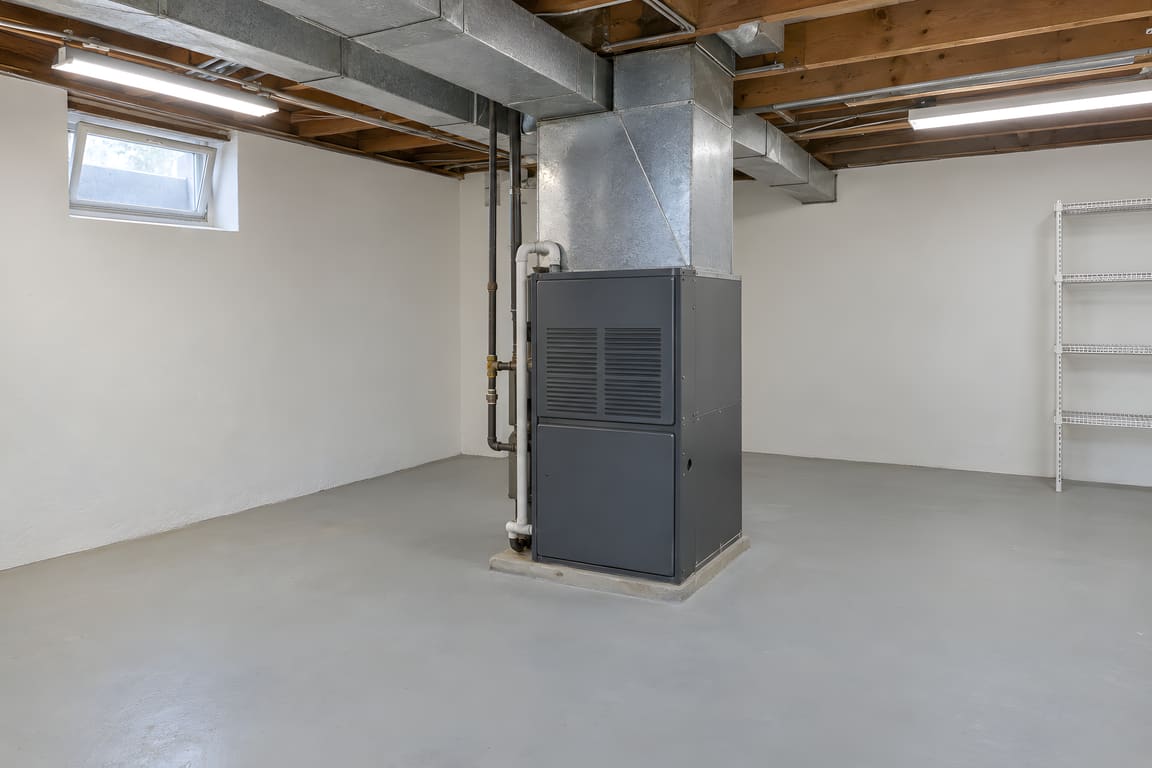
ENERGY STAR says that if you have a relatively new furnace with an older central AC, or you are planning to add a new central AC to the furnace, you should consider an ENERGY STAR certified heat pump. It describes dual fuel systems as allowing the flexibility of heating with a heat pump or with a more traditional gas or oil furnace. Our dual fuel heat pump guide covers how the two share the job and what to ask.
Questions to Ask Before You Choose
Ask for the air conditioner and the heat pump quoted side by side, so you compare both on the same terms. ENERGY STAR publishes a bid checklist for homeowners collecting estimates. These three questions come from it, and our guide to comparing HVAC estimates has the full list.
- Will you measure my home and calculate the correct size for my equipment using Manual J?
- Will you check for damage to existing ductwork and duct insulation, and make repairs if necessary?
- Will you provide me with information on any local rebate programs for which I might be eligible? (See rebates.)
Two more are specific to this choice. Is the heat pump you are quoting an ENERGY STAR certified cold climate model? If I keep my furnace or boiler, how will the two systems decide which one runs?
Heat Pump or Air Conditioner Questions
Is a heat pump the same as an air conditioner?
Both cool your home. ENERGY STAR says a heat pump pulls the heat out of your home in the summer, and that in winter it extracts heat from outside into your home. An air conditioner has no heating mode. ENERGY STAR says it may be helpful to think of a ducted heat pump as a central air conditioner that also works in reverse.
Can a heat pump replace my central air conditioner?
ENERGY STAR says that in most zones an air-source heat pump can be installed as a drop-in replacement when either a central air conditioner or a furnace needs replacement. Whether it suits your ducts and your heating is what the estimate is for. See heat pump replacement and AC replacement.
Do I still need my furnace if I get a heat pump?
It depends on the house and the heat pump. ENERGY STAR describes dual fuel systems that keep a furnace alongside a heat pump. It also says a cold climate heat pump will continue working below 5°F, and that pairing it with a back-up energy source will heat the home the most efficiently when temperatures are even lower. See the dual fuel guide.
Will a heat pump keep my house warm in winter?
ENERGY STAR says a good contractor will work with you on the size of the system and on whether to pair it with a back-up heating system. Ask whether the heat pump quoted is a cold climate model and how the heating was sized. See heat pumps.
What if my home has no ducts?
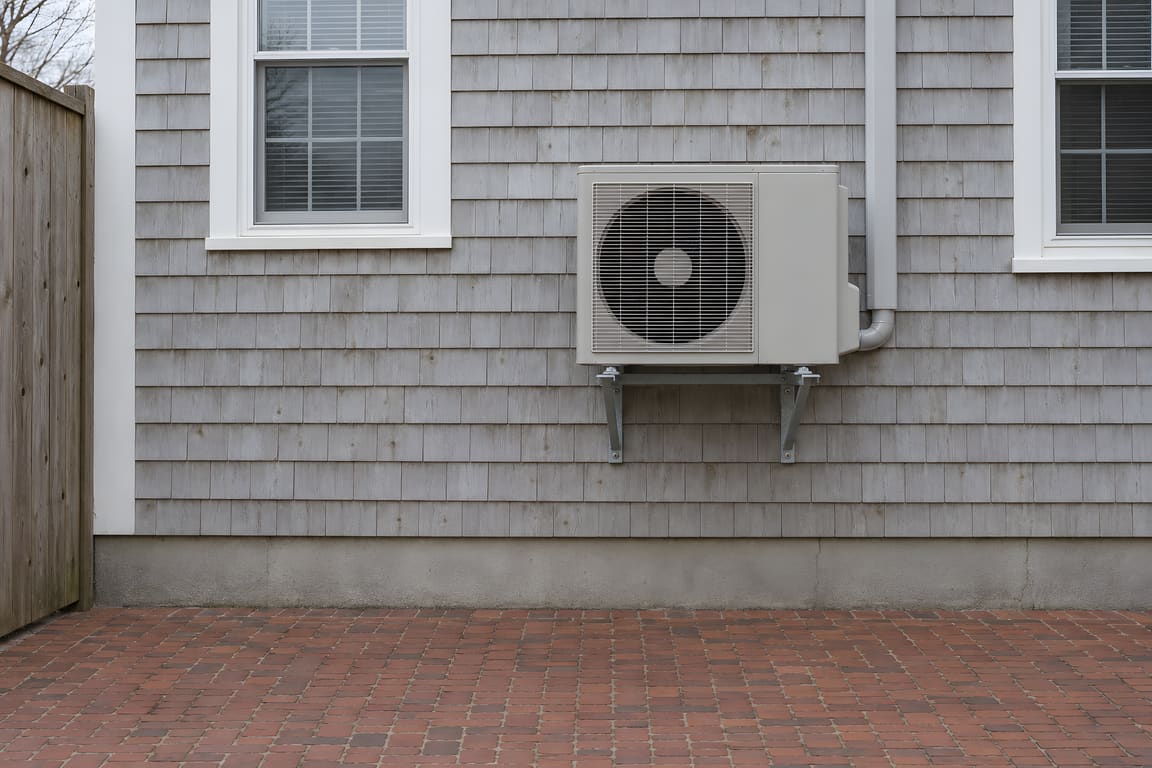
ENERGY STAR says that if your home has no existing ductwork, you can still install a heat pump to heat and cool a portion of your house. A mini-split heat pump does not need ductwork and is mounted on an interior wall or ceiling with an accompanying outdoor unit. See ductless mini-splits.
Not sure which fits your house? We serve all of Rhode Island and Massachusetts. We look at your current system, your layout and your goals, then tell you plainly whether it makes sense. Get a Free Estimate
Sources: ENERGY STAR, Air-Source Heat Pumps; ENERGY STAR, When Is It Time to Replace; ENERGY STAR, Ductless Heating and Cooling; ENERGY STAR, Heating & Air Conditioning Installation Bid Comparison Checklist (checked November 11, 2026).
Related guides: Heat Pump or Furnace for a Rhode Island Home? and How to Compare HVAC Estimates