 A Rooftop Power Company

Home / Guides / Heat Pump or Electric Heat
Heat Pump or Electric Heat for a Rhode Island Home?
Your home may be heated with electric baseboard, wall heaters or an electric furnace, and a heat pump keeps coming up. This guide explains how a heat pump delivers heat, what ducts and cold weather change, and what to ask each contractor. It does not rank the two on running cost. It is written for homeowners in Rhode Island and Massachusetts.
Heat Pump or Electric Heat: The Short Answer
A heat pump heats a home by moving heat from outside to inside rather than converting it from fuel, as combustion heating systems do, according to ENERGY STAR. Baseboard, wall heaters and electric furnaces are different systems. Which fits depends on your house, its ducts and your winters.
The sections below cover what counts as electric heat, how a heat pump works, ducts, mini-splits, cold days and the questions to ask. This guide does not rank the two on running cost. That comparison depends on your house, and we compare the options with you during the estimate.
What Counts as Electric Heat
ENERGY STAR's page on ductless heating and cooling lists "Homes with costly electric heat (e.g., baseboard, furnace, wall heaters, electric radiant) that will also benefit from cooling" as one place mini-splits are used. That is ENERGY STAR's category, and the word "costly" is its word. It is not a description of your house.
The examples in that list are baseboard, furnace, wall heaters and electric radiant, in ENERGY STAR's words. If your home has electric baseboard and you are weighing a heat pump, our guide to adding a heat pump to a home with radiators or baseboard covers what happens to the existing heat.

How a Heat Pump Delivers Heat
ENERGY STAR says heat pumps move heat rather than converting it from fuel, as combustion heating systems do. It says electric air-source heat pumps use the difference between outdoor air temperatures and indoor air temperatures to cool and heat your home. In winter, an ENERGY STAR certified air-source heat pump extracts heat from outside into your home, and in summer it pulls the heat out of your home.
ENERGY STAR says an air-source heat pump can deliver up to three times more heat energy to a home than the electrical energy it consumes. That is its statement about air-source heat pumps, not a promise for any one installed system. Our guide, What Is a Heat Pump and How Does It Work?, goes through the outdoor and indoor units step by step.
Ducts or No Ducts
ENERGY STAR says ducted air-source heat pump systems can be installed and connected to the conventional forced-air ductwork typical of most American homes, and that a central air-source heat pump can use pre-existing ductwork to deliver heating and cooling. It suggests thinking of a ducted heat pump as a central air conditioner that also works in reverse to provide whole-house space heating in winter.
It also says mini split heat pumps do not need ductwork in order to be installed. Whether your house already has ducts is one of the first things to settle. Our guide to a ducted heat pump or ductless mini-split covers how to tell which fits.
Mini-Splits in Homes With Electric Heat
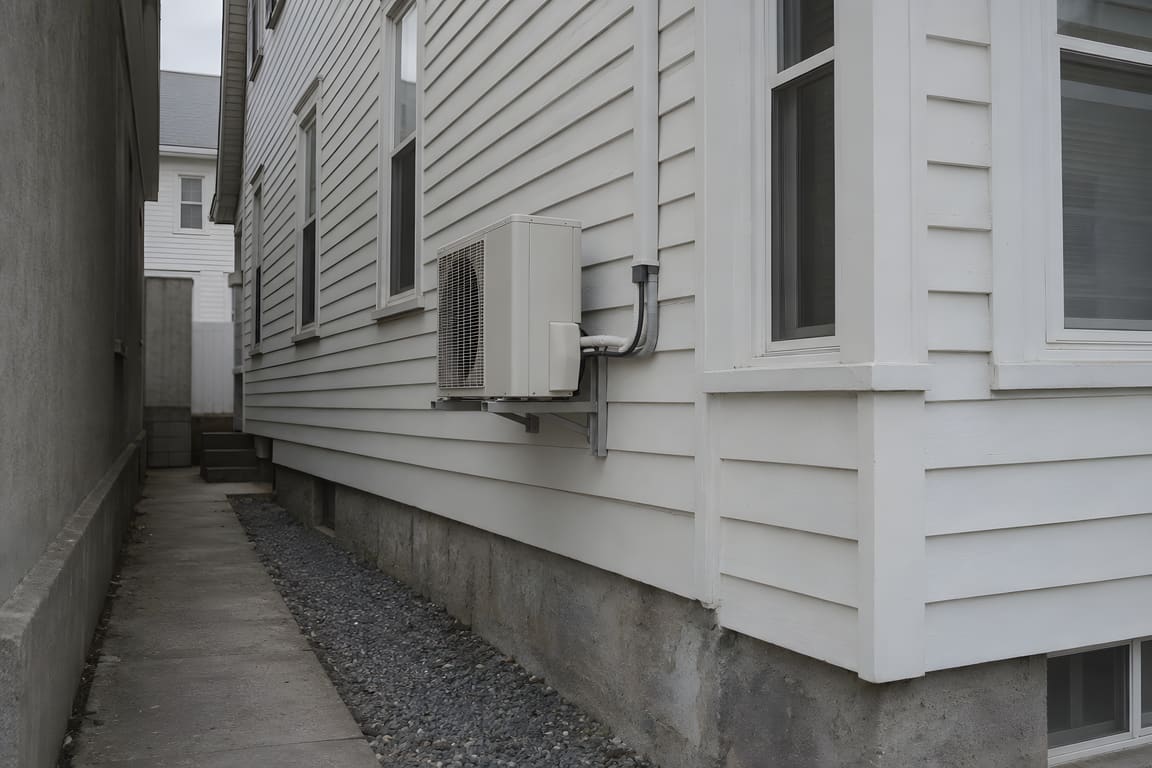
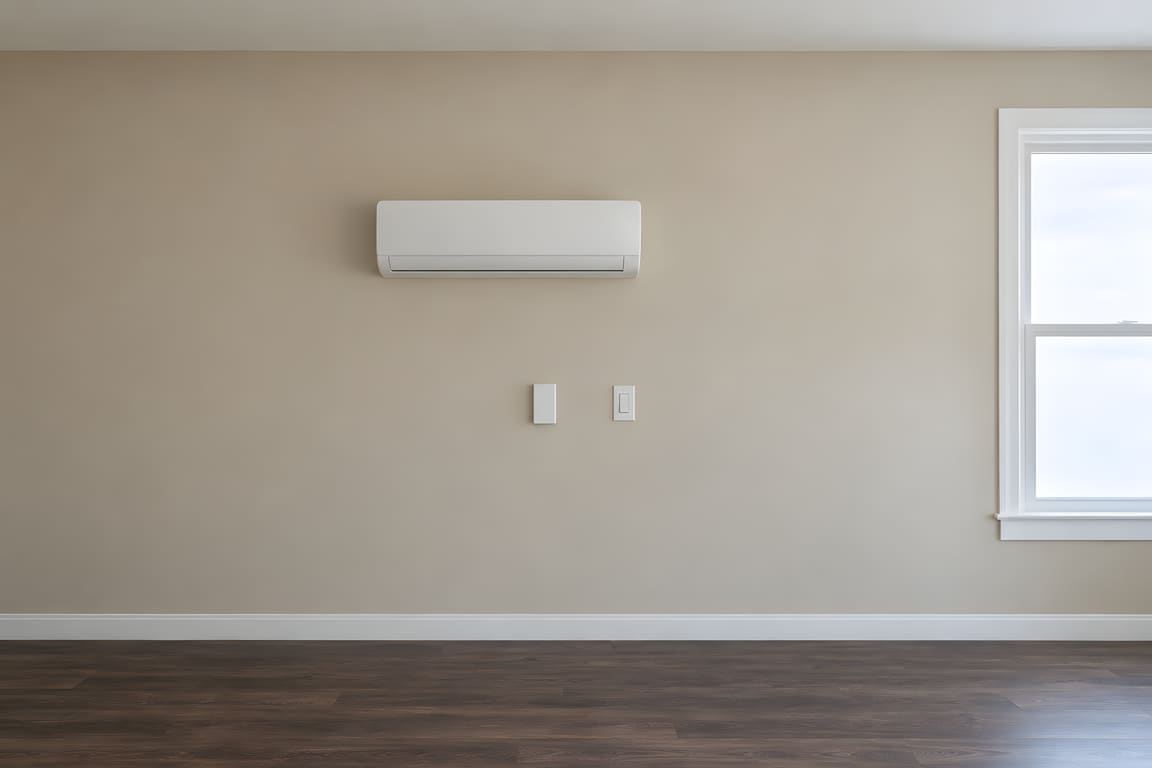
ENERGY STAR describes a mini-split as a head unit, or multiple head units, mounted on an interior wall or ceiling, with an accompanying unit outside. It says mini splits can be used for whole home heating and cooling, and are also a great fit to supplement an existing HVAC system depending on your needs.
Its list of situations includes the electric-heat homes quoted above and older homes with no existing ductwork that have never had central air conditioning. Our mini-splits page covers the ductless layout.
Cold Days and Electric Resistance Elements
The Federal Energy Management Program, a U.S. Department of Energy program, says that cold climates require specially designed heat pumps that can operate at lower ambient temperatures before switching to resistance heating. It also says residential heat pumps are frequently selected based on their cooling capacity, and that to make up for deficiencies with the heating capacity, electric resistance elements are typically added. Because of the inefficient nature of those added heating elements, it says, their use should be kept to a minimum.
So some heat pump systems include electric heat inside them. ENERGY STAR says its requirements for air-source heat pumps include third-party verified performance for low temperatures, testing down to 5°F. It says a cold climate air-source heat pump will continue working below 5°F, and that pairing it with a back-up energy source will heat the home most efficiently when temperatures are even lower.
Defrost, backup heat and what to ask before you buy are in our cold climate heat pump guide.
Questions to Ask Each Contractor
These come from ENERGY STAR's installation bid checklist and its air-source heat pump page, plus two that follow from the sections above.
- Size. ENERGY STAR says proper equipment size is vital for maximizing efficiency and comfort, and that the contractor should calculate your home's heating and cooling loads using the Air Conditioning Contractors of America (ACCA) Manual J or equivalent.
- Ducts. The checklist asks, "Will you check for damage to existing ductwork and duct insulation, and make repairs if necessary?"
- Cold weather. ENERGY STAR says that if winter temperatures regularly dip below freezing, talk to your contractor to choose an ENERGY STAR unit suited to your particular home. Ask whether the unit quoted is a cold climate model.
- Electric heat inside the system. Ask whether the quote includes electric resistance elements and what controls when they run.
- The heat you have now. Ask what the existing baseboard, wall heaters or electric furnace will do afterward, and what heats any room that does not get a head unit.
Our guide to comparing HVAC estimates lists ENERGY STAR's full set of questions. For current programs, see rebates.
Heat Pump or Electric Heat Questions
Is a heat pump a kind of electric heat?
ENERGY STAR calls these systems electric air-source heat pumps, so they run on electricity. It says they heat by moving heat from outdoor air into your home rather than converting it from fuel. Baseboard, wall heaters and electric radiant heat are different systems.
Does a heat pump have electric heat inside it?
Some do. The Federal Energy Management Program says that to make up for deficiencies with a residential heat pump's heating capacity, electric resistance elements are typically added, and that their use should be kept to a minimum. It also says cold climates require specially designed heat pumps. Ask which kind a quote names.
Can a mini-split be added to a home with electric baseboard?
ENERGY STAR lists homes with costly electric heat that will also benefit from cooling as one place mini-splits are used. It also says mini splits can supplement an existing HVAC system. Which rooms get a head unit and what the baseboard does afterward are worth settling in the quote.
Do I need ductwork for a heat pump?
Not always. ENERGY STAR says ducted systems can be installed and connected to forced-air ductwork, and that mini split heat pumps do not need ductwork in order to be installed. If you have ducts, ask whether they will be checked for damage and leaks.
When should I start comparing options?
ENERGY STAR says it may be time to call a professional contractor if your heating or cooling equipment needs frequent repairs while your energy bills go up. Its list also includes rooms that are too hot or too cold and a noisy system. Several signs together make a stronger case than one.

Wondering whether a heat pump fits your home? We look at your current system, your layout and your goals, then tell you plainly whether it makes sense. RTP HVAC serves all of Rhode Island and Massachusetts. Get a Free Estimate
Sources: ENERGY STAR, Air-Source Heat Pumps; ENERGY STAR, Ductless Heating & Cooling; ENERGY STAR, When Is It Time to Replace?; ENERGY STAR, Heating & Air Conditioning Installation Bid Comparison Checklist; U.S. Department of Energy, Federal Energy Management Program, Purchasing Energy-Efficient Residential Air-Source Heat Pumps (checked November 16, 2026).
Related guides: Heat Pump or Furnace for a Rhode Island Home? and Multi-Zone Mini-Splits