 A Rooftop Power Company

Home / Guides / Heat Pump With Radiators or Baseboard
Adding a Heat Pump to a Home With Radiators or Baseboard Heat
Your house heats with hot-water radiators, hot-water baseboard or electric baseboard, and you want to know whether a heat pump can join it. This guide covers how ductless heads sit alongside the heat you have, what stays, what changes and what to ask a contractor.
Can a Home With Radiators or Baseboard Add a Heat Pump?
Yes. Ductless heat pumps need no ductwork, so a home with radiators or baseboard can add one. ENERGY STAR calls them an alternative to radiator or baseboard heating and, depending on your needs, a great fit to supplement an existing system. The heads can go in alongside the heat you have.
ENERGY STAR describes a ductless system as a head unit, or multiple head units, mounted on an interior wall or ceiling, with an accompanying unit outside. Its list of places mini-splits are used includes older homes with no existing ductwork, such as radiators or baseboard heat, that have never had central air conditioning before. Our mini-splits page covers the basics, and ducted or ductless covers homes with ducts.
ENERGY STAR says the outside unit extracts heat from the air, even when it is cold, and refrigerant carries the heat directly to the head or heads inside, which then deliver heated air to the occupied space. On that description the heat comes from the outdoor air, not from your radiators, baseboard or boiler. In warmer months the system works in reverse for air conditioning.
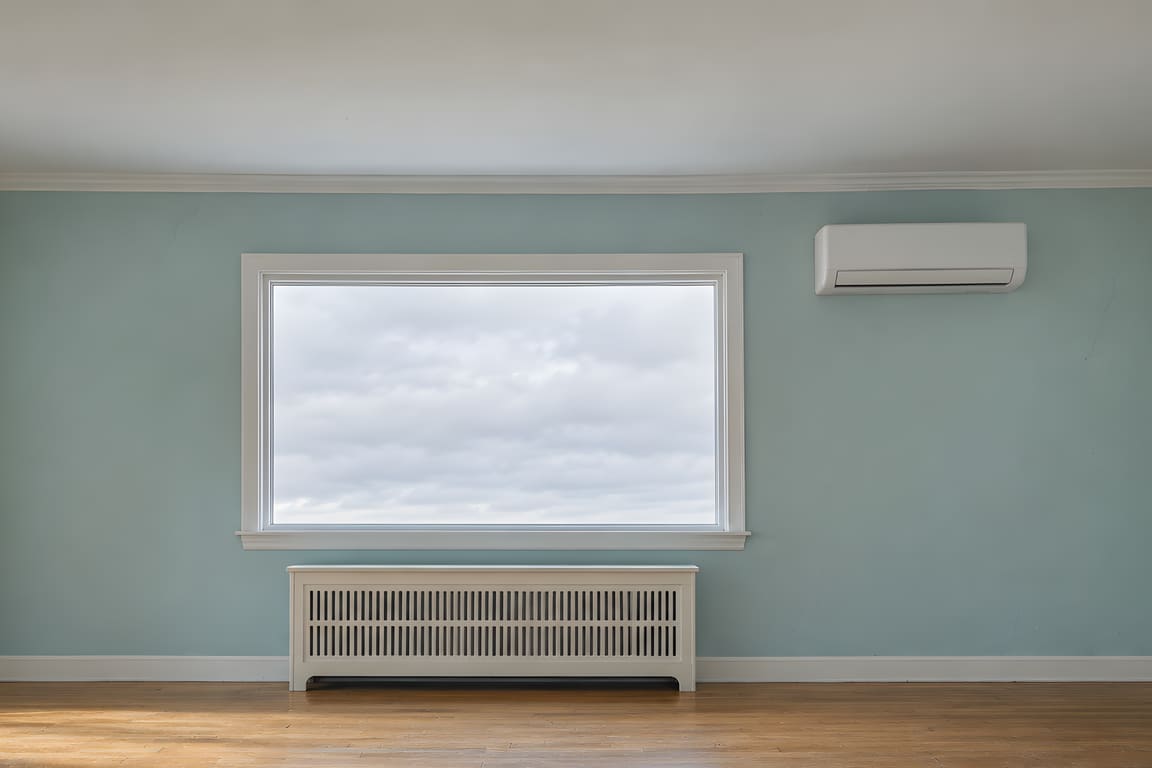
Hot-Water Radiators
Our boiler page describes a hot-water system this way: the boiler heats water and a pump sends it through pipes to radiators or baseboard. In the ductless systems this guide covers, the head does not tie into those pipes. It is a second source of heat in the room, linked to an accompanying unit outside by a line set.
A head heats the room it is in. ENERGY STAR says heat can be hard to move through an open doorway and cannot move through a closed one, so rooms without a head of their own may keep depending on their radiators.
Ask where on the wall the head would sit in relation to the radiator, and whether anything about the radiator, its cover or its pipes would have to move.
Hot-Water Baseboard
Hot-water baseboard is heated by the same kind of boiler system, with water pumped through pipes. Our boiler page notes that many systems split the house into zones, each with its own thermostat and valve or circulator. A baseboard zone and a ductless head can end up heating the same room, so ask how the two are controlled.
A head mounts on an interior wall or ceiling, so ask which wall in the room it would go on, how the head is controlled, and what the baseboard zone should be set to once the head is running.

Electric Baseboard
Electric baseboard has no boiler and no pipes. ENERGY STAR lists homes with costly electric heat, baseboard among them, that will also benefit from cooling as another place mini-splits are used. Ask which rooms the quote puts heads in, what the baseboard in those rooms will do afterward, and what heats the rooms that do not get a head.

When the Boiler Stays
Our boiler page says some homeowners keep the boiler for the coldest days or for the rooms the mini-split does not reach. ENERGY STAR says a cold climate heat pump keeps working below 5°F, and that pairing it with a back-up energy source will heat your home the most efficiently when temperatures are even lower. It adds that a good contractor will work with you to determine the size and potential integration with a back-up heating system. Our cold climate guide covers that test.
If the boiler stays, two heat sources need a plan. The Rhode Island Office of Energy Resources says an old system kept as a backup should normally have its thermostat set 5 to 10 degrees lower than the heat pump's, that it can be turned up a few degrees in very cold weather, and that a contractor can install controls that manage this. ENERGY STAR says that if you have both a heat pump and a furnace or boiler, you should use the heat pump year-round.
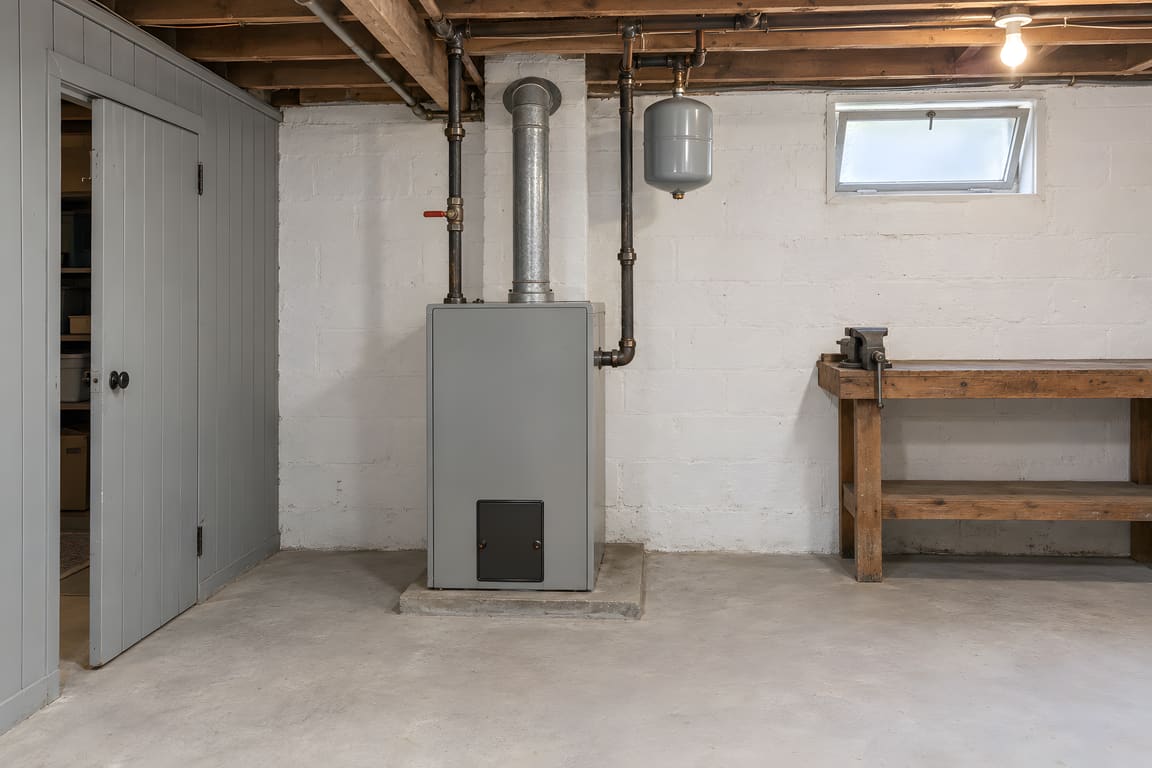
If the boiler also heats your household hot water, ask what happens to the hot water if the boiler is ever taken out. If the boiler burns oil, our oil heat guide covers the tank and the keep-or-remove question, and our dual fuel guide covers how a heat pump and a furnace share the job in a home with ducts.
What Changes in the House
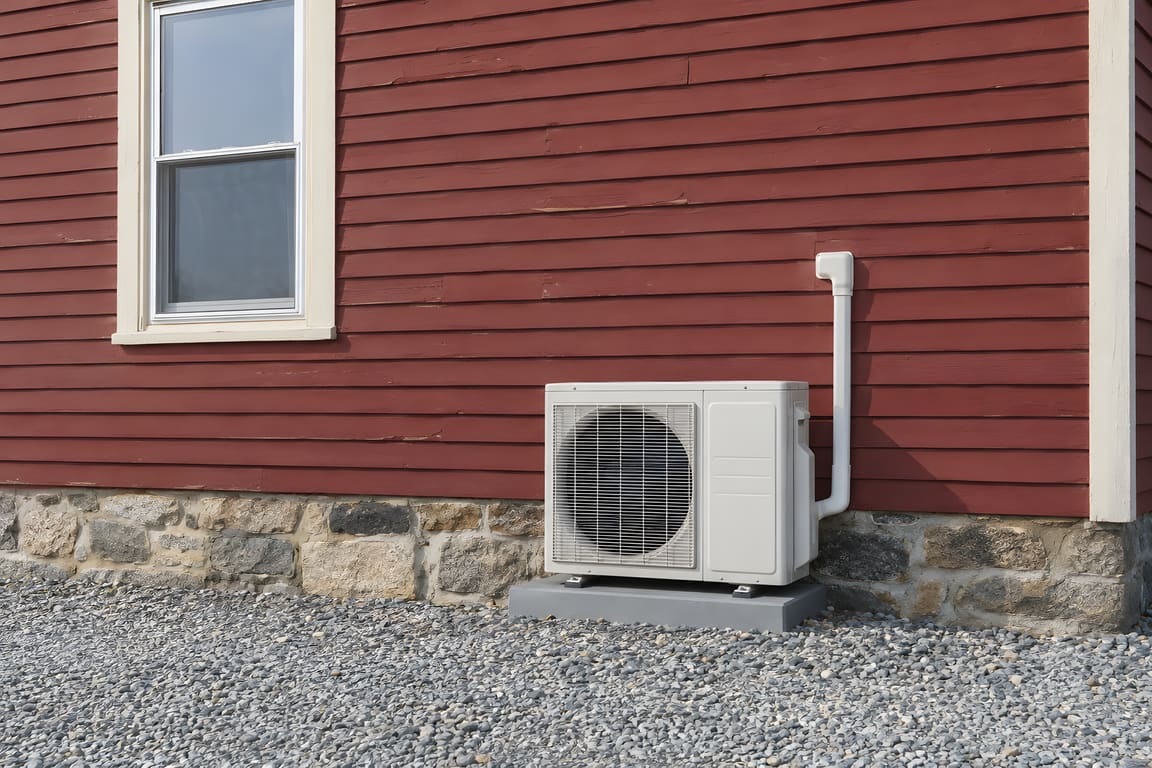
- The outdoor unit. ENERGY STAR says to avoid tight placements with shrubs or structures so the unit has air, and to avoid installing the outdoor unit near doors and windows, since outdoor units release water when they defrost in the winter, which can form icy patches. It also says to consider serviceability and ease of access.
- The line sets. ENERGY STAR says that running the line set through closets, basement or attic stairways, attached garages, basements, crawlspaces or attics can minimize the need to patch or paint walls and ceilings. Ask how each line would run in your house.
- The electrical service. The Office of Energy Resources lists upgrading to 200 amp electrical service as a cost consideration if your home does not already have it.
- The thermostat habit. ENERGY STAR says that unlike a furnace or boiler, heat pumps do not save energy by turning it down when you are away or asleep, and advises picking a comfortable temperature and leaving it there.
Questions to Ask Each Contractor
- Is the system meant to carry the whole house or to share the load with my current heat?
- How did you size it, and will you give me the Manual J calculation?
- If my boiler or baseboard stays, how will the thermostats work together?
- If the boiler makes my hot water, what happens to the hot water if it is removed later?
- Where does each head go relative to my radiators or baseboard, and where do the lines run?
- Where does the outdoor unit go, and does my electrical panel need work?
ENERGY STAR says your contractor should verify the proper size system for your home using a tool called Manual J, a calculation of the amount of heating and cooling your home requires. Our guide to comparing HVAC estimates has ENERGY STAR's bid checklist. See rebates.

Questions About Heat Pumps With Radiators and Baseboard
Does an air source heat pump work with radiators?
ENERGY STAR treats ductless air source heat pumps as an alternative to radiator or baseboard heating, and as a fit to supplement an existing system depending on your needs. The head and the radiator are separate heat sources in the room, so ask the contractor how the two will be used together.
Do I have to get rid of my boiler?
That is a decision to make with your installer. Our boiler page notes that some homeowners keep the boiler for the coldest days or for the rooms the mini-split does not reach.
Does a ductless heat pump heat my radiators?
The ductless systems in this guide deliver heated air to the room from a head on the wall or ceiling, and ENERGY STAR describes that heat as extracted from the outside air, so they do not work by heating your radiators. If a quote proposes anything that would send hot water to your radiators, ask the contractor to describe that equipment.
Can a ductless system cool a house that has never had air conditioning?
ENERGY STAR lists older homes with radiators or baseboard heat that have never had central air conditioning before as a place mini-splits are used, and says the system works in reverse in warmer months. Which rooms get cooling depends on where the heads go.
Will one head cover a third-floor room with a sloped ceiling?
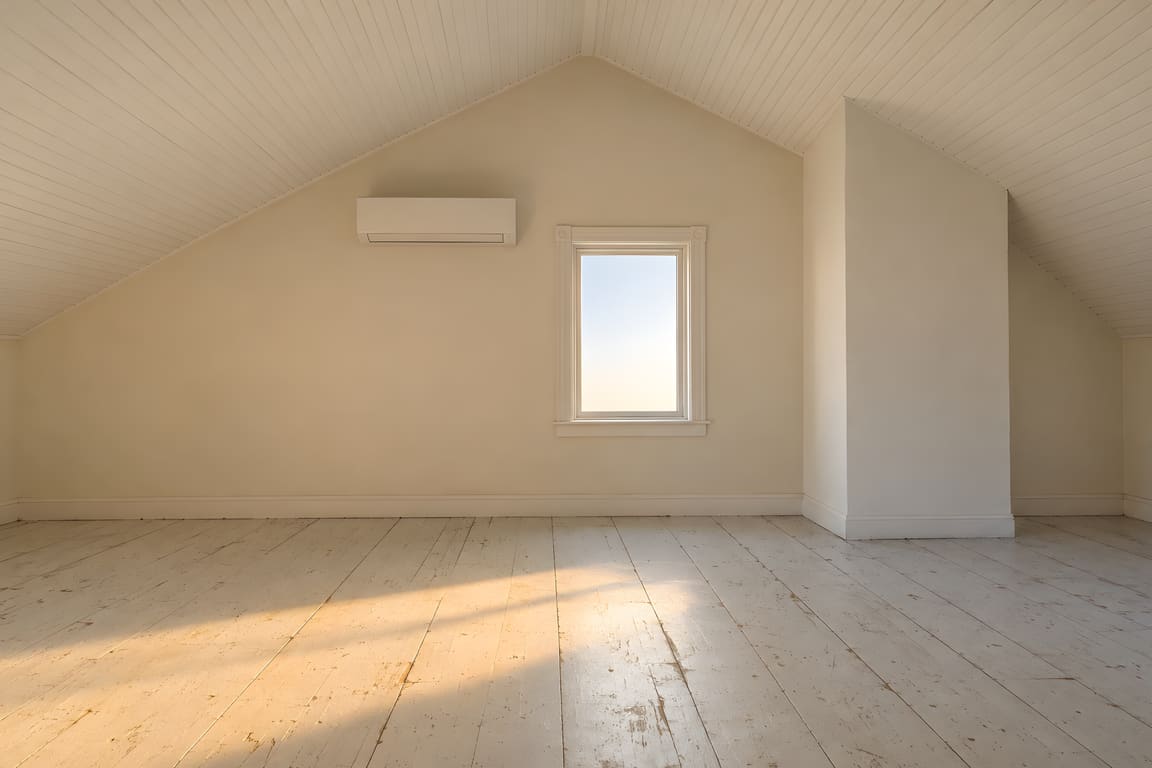
ENERGY STAR says heat rises and cool air sinks, which affects what areas of your home benefit from a single wall unit. Ask the contractor where the head would go in that room and what it would do for the rooms below.
Heating with radiators or baseboard and thinking about a heat pump? We look at your current system, your layout and your goals, then tell you plainly whether it makes sense. RTP HVAC serves all of Rhode Island and Massachusetts. Get a Free Estimate
Sources: ENERGY STAR, Ductless Heating and Cooling; Rhode Island Office of Energy Resources, Residential Guide to Air Source Heat Pumps (checked November 12, 2026).
Related guides: Multi-Zone Mini-Splits and Mini-Splits for a Garage, Attic or Addition