 A Rooftop Power Company

Home / Guides / HVAC Efficiency Ratings Explained
SEER2, HSPF2 and AFUE: What HVAC Efficiency Ratings Mean
You are reading a quote or an equipment label and keep running into SEER2, HSPF2 and AFUE. This guide explains which rating goes with which equipment, what each one measures, why you see both SEER and SEER2, and what a rating does not tell you about your own home.
What an Efficiency Rating Tells You
AFUE rates furnaces and boilers. SEER2 rates the cooling side of central air conditioners and air-source heat pumps, and HSPF2 rates the heating side of air-source heat pumps. Each rating measures how efficiently the equipment does its job, and a higher number means less energy lost or used. SEER2 and HSPF2 are the newer versions of SEER and HSPF.
Which rating you see depends on the equipment. Furnaces and boilers carry an AFUE. A central air conditioner carries SEER2 for cooling. An air-source heat pump heats and cools, so it carries two ratings, HSPF2 for heating and SEER2 for cooling. If you are looking at a furnace, our furnace replacement page has the short version. If you are looking at a central system, see central air conditioning.
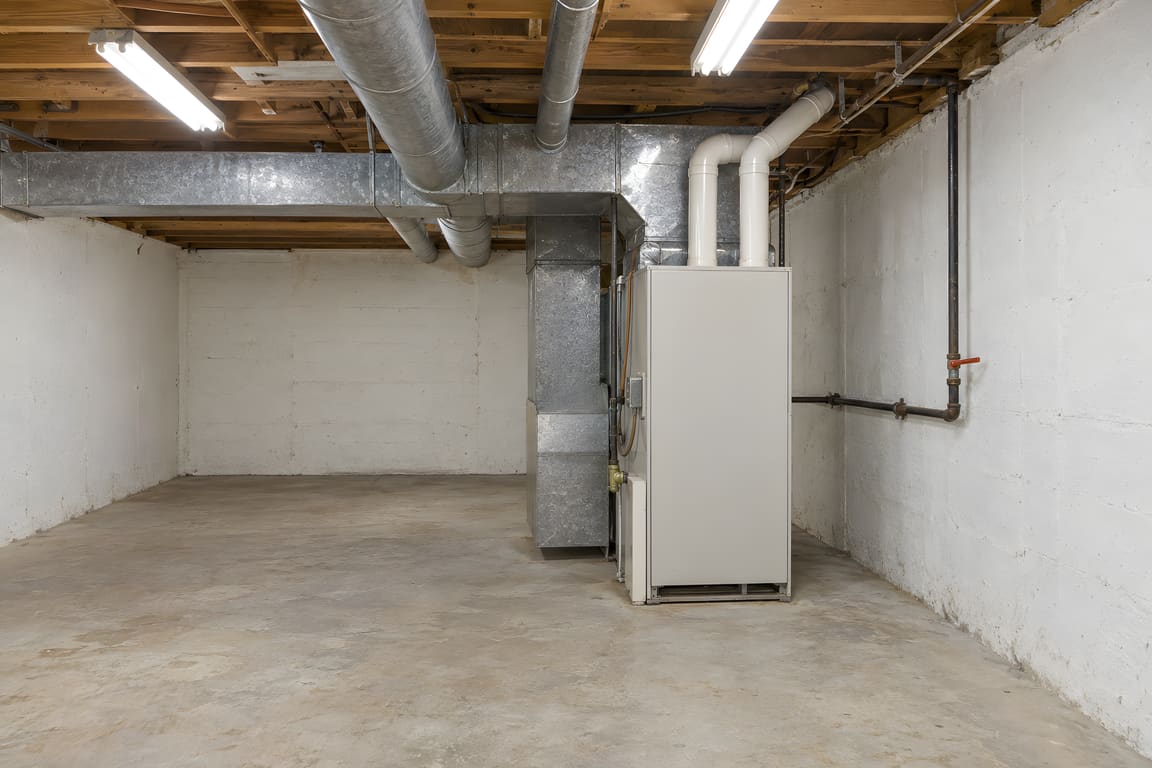
AFUE: Furnaces and Boilers
AFUE stands for Annual Fuel Utilization Efficiency. ENERGY STAR's furnace criteria describe it as, in general, the percentage of the heat in the incoming fuel which is converted to space heat instead of being lost. For boilers, the U.S. Department of Energy's Federal Energy Management Program, known as FEMP, says AFUE is a measure of how efficiently a boiler converts the energy in its fuel to heat over a typical year.
A higher AFUE means less of the fuel is lost. According to ENERGY STAR, ENERGY STAR certified furnaces have higher AFUE ratings and higher efficiency blower motors, which makes them more efficient than standard models.
AFUE rates the furnace or boiler itself. It does not rate your ducts, your pipes or the house the equipment serves. For the boiler side, see boiler repair and replacement.
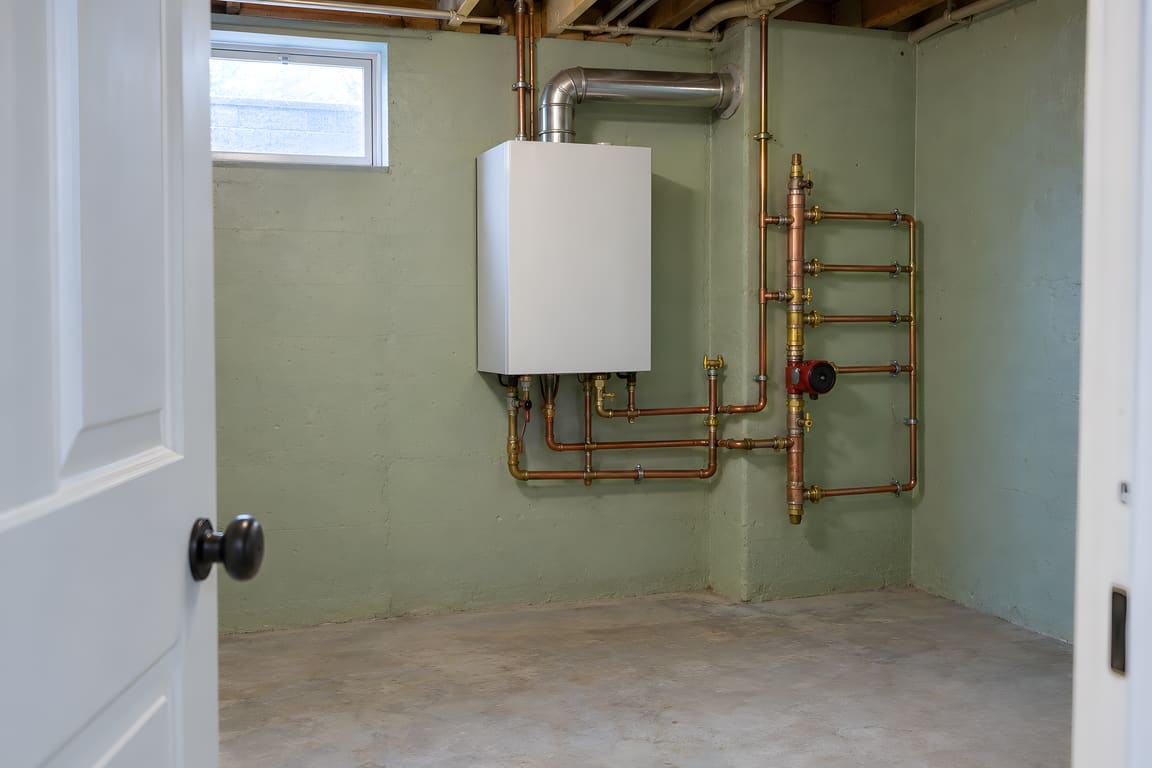
SEER2: Central Air Conditioners and Cooling
SEER2 is the cooling efficiency rating. FEMP's page on central air conditioners says new rating values and nomenclature are used to denote the efficiency ratings, and it names SEER2 as the cooling efficiency rating and HSPF2 as the heating efficiency rating. FEMP lists SEER2 in British thermal units per watt-hour, or Btu/Wh.
The U.S. Department of Energy explained the idea in a brochure on central air conditioner and heat pump standards, written for the original SEER. It says the higher the SEER rating, the less electrical energy your air conditioner uses to cool your home. SEER2 is the updated cooling rating, so a higher SEER2 likewise means less electricity used for cooling.
SEER2 is about cooling only. It says nothing about how a heat pump or furnace heats.
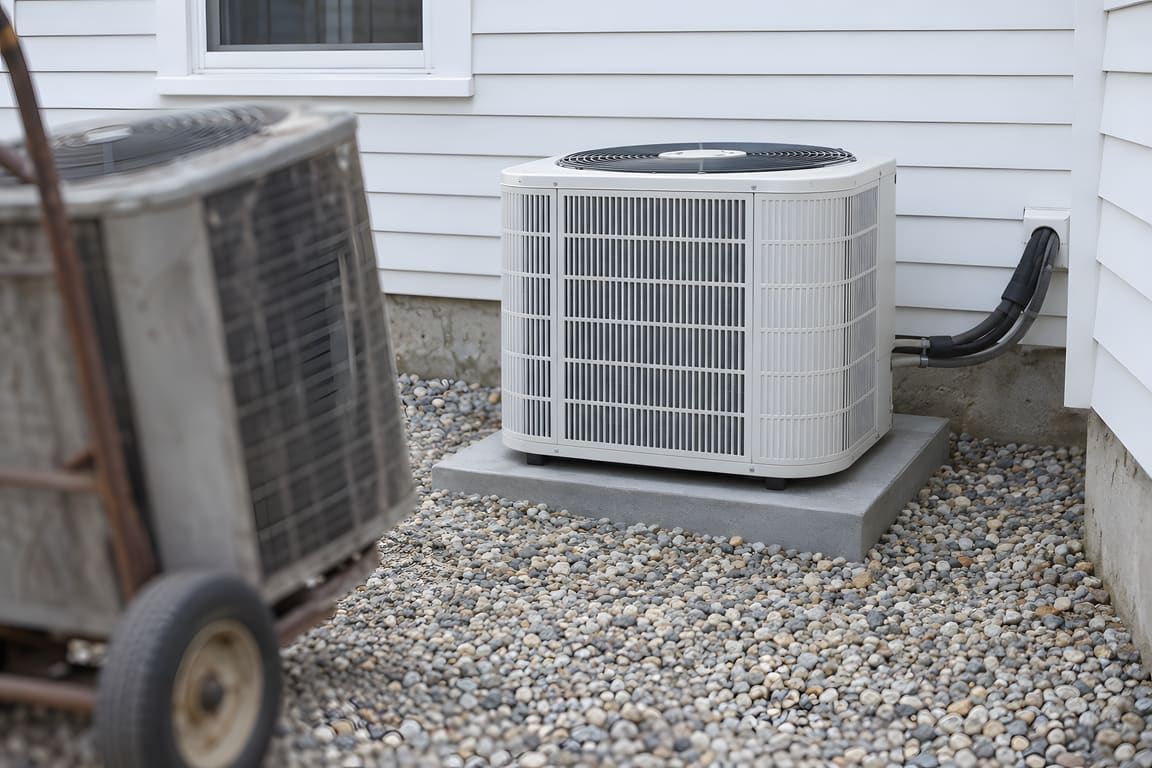
HSPF2: The Heating Side of a Heat Pump
An air-source heat pump heats and cools. ENERGY STAR describes this as extracting heat from outside into your home in winter and pulling the heat out of your home in the summer. Because it does both jobs, it has a rating for each one. HSPF2 is the heating efficiency rating, and SEER2 is the cooling efficiency rating.
FEMP lists HSPF2 in British thermal units per watt-hour, the same unit as SEER2. In the same Department of Energy brochure, the original HSPF is defined with the same logic as SEER: the higher the HSPF rating, the less electrical energy your heat pump uses to heat your home. HSPF2 is the updated version of that heating rating, with new rating values.
For how a heat pump works, see What Is a Heat Pump and How Does It Work? For heat pumps in cold weather, see our guide to cold-climate heat pumps in Rhode Island. If you are weighing a heat pump against an air conditioner, this guide compares the two, and our heat pumps page covers the equipment.
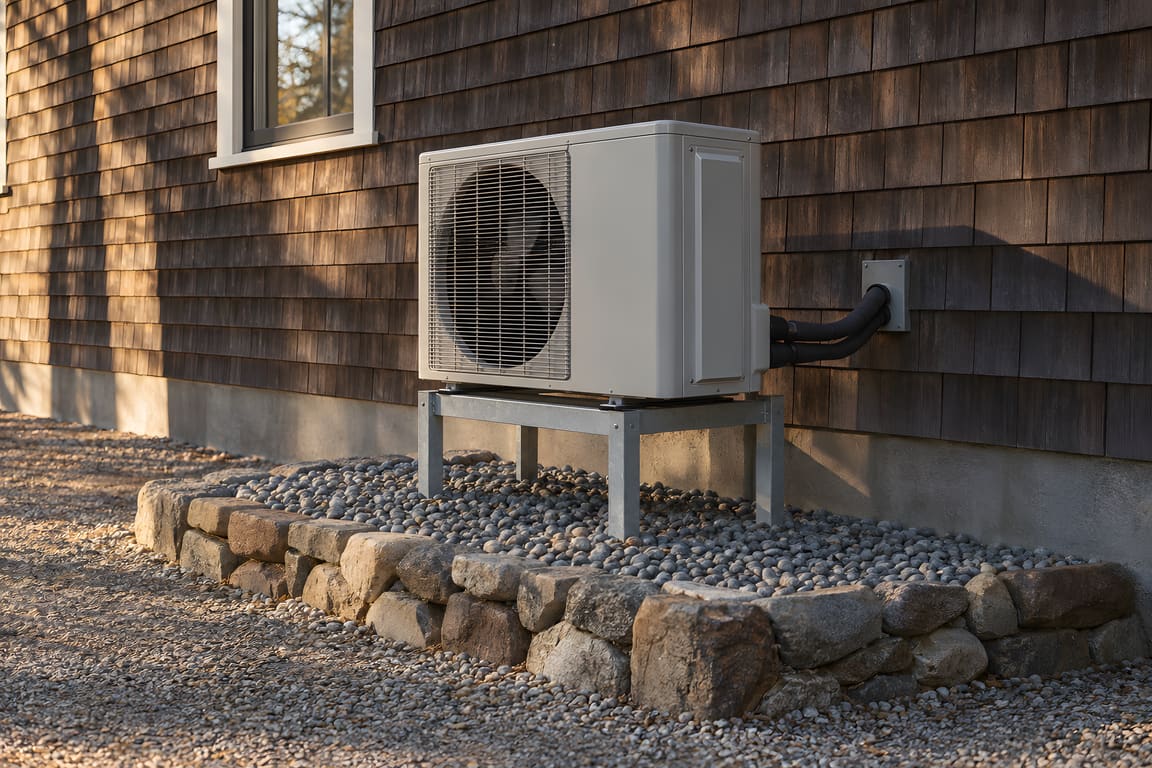
SEER vs SEER2: Why You See Both
FEMP says that effective January 1, 2023, the U.S. Department of Energy changed the way HVAC systems are tested and updated the national standards for Heating Seasonal Performance Factor (HSPF) and Seasonal Energy Efficiency Ratio (SEER). With that change, new rating values and nomenclature are used, HSPF2 and SEER2.
Because the test changed, a SEER number and a SEER2 number are not the same measurement, and neither are HSPF and HSPF2. If a listing shows a SEER figure and a quote shows a SEER2 figure, ask the contractor which rating each number is before you compare them.
A Higher Rating Can Cost More Up Front
The Department of Energy brochure says an air conditioner with a higher SEER rating could be more expensive. Ask each contractor to give you the price of every model they quote, so you can see what a higher rating adds before you decide.
A Rating Is Not an Installed Result
AFUE, SEER2 and HSPF2 each describe the equipment. Installation is a separate matter. ENERGY STAR's installation bid checklist says improper installation can reduce performance by as much as 30%. It adds that this can lead to a variety of comfort problems, including insufficient dehumidification, dust from leaking ductwork and poor air distribution.
FEMP's page on residential air-source heat pumps says installation problems like oversizing, improper charging and leaky ducts result in efficiency losses, occupant discomfort and shortened equipment life. ENERGY STAR also says proper equipment size is vital for maximizing efficiency and comfort, and that the contractor should calculate your home's heating and cooling loads using the Air Conditioning Contractors of America (ACCA) Manual J or equivalent.
Questions to Ask Each Contractor
- Which rating does each model you are quoting carry: AFUE, SEER2 or HSPF2?
- Is that figure SEER or SEER2, and HSPF or HSPF2?
- What does each model cost, so I can compare the price against its rating?
- Will you measure my home and calculate the correct size for my equipment using Manual J?
- Will you check for damage to existing ductwork and duct insulation, and make repairs if necessary?
- Will you provide me with information on any local rebate programs for which I might be eligible?
The last three questions come from ENERGY STAR's bid checklist. Our guide to comparing HVAC estimates has more of it. See rebates.
Questions About HVAC Efficiency Ratings
What does AFUE stand for?
Annual Fuel Utilization Efficiency. ENERGY STAR's furnace criteria describe it as, in general, the percentage of the heat in the incoming fuel which is converted to space heat instead of being lost. Furnaces and boilers are both rated this way.
Is SEER2 the same as SEER?
No. FEMP says the Department of Energy changed the way HVAC systems are tested effective January 1, 2023, and that new rating values and nomenclature are used, HSPF2 and SEER2. Ask which rating a number is before you compare two quotes.
What does HSPF2 measure?
HSPF2 is the heating efficiency rating of an air-source heat pump, according to FEMP. It is listed in British thermal units per watt-hour, the same unit as SEER2, which is the cooling efficiency rating.
What is a good SEER2 or AFUE number?
That depends on the equipment type and on which rating the number is. A SEER2 figure is not comparable to a SEER figure, and AFUE belongs to furnaces and boilers only. Compare like with like across the quotes you have, and ask the contractor to show each model's rating. ENERGY STAR lists the criteria for ENERGY STAR certified furnaces on its key product criteria page.
Does a higher rating make a system right for my home?
Not by itself. ENERGY STAR says proper equipment size is vital for maximizing efficiency and comfort, and that the contractor should calculate your home's heating and cooling loads using Manual J or equivalent. Ask each contractor how the system will be sized.

Reading a quote and not sure which rating applies? We look at your current system, your layout and your goals, then tell you plainly whether it makes sense. RTP HVAC serves all of Rhode Island and Massachusetts. Get a Free Estimate
Sources: ENERGY STAR, Furnaces Key Product Criteria and Furnaces; ENERGY STAR, Air Source Heat Pumps; ENERGY STAR, Heating and Air Conditioning Installation Bid Comparison Checklist; U.S. Department of Energy FEMP, Residential Central Air Conditioners, Residential Air-Source Heat Pumps and Boilers; U.S. Department of Energy, Explaining Central Air Conditioner and Heat Pump Standards (checked November 13, 2026).
Related guides: How Long Do Heat Pumps Last?